Stay Protected with our Diamond Club Membership
Why Is Your Furnace Making Odd Noises Before Winter in Missoula?
Don't Wait...Call Hellgate
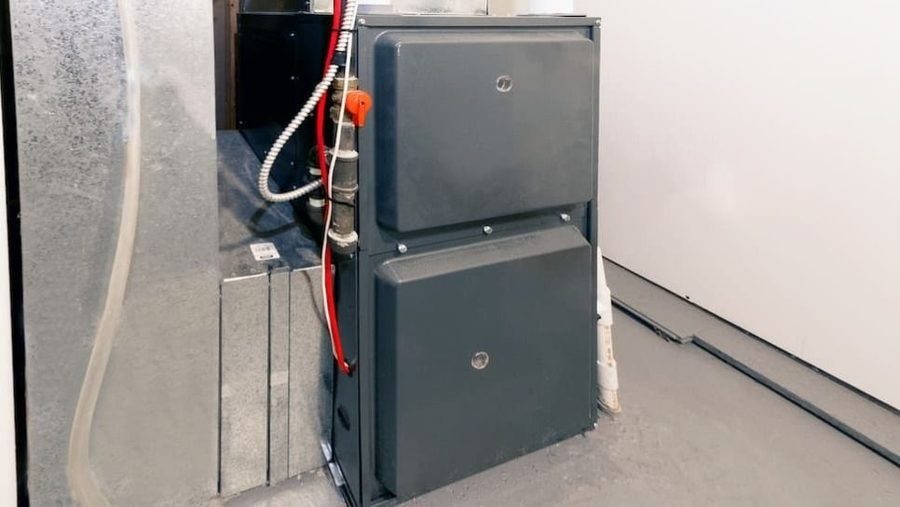
You turn the heat on during a chilly Missoula morning and hear something you do not remember from last season. Maybe it is a bang, rattle, squeal, hum, or pop that seems to happen every time the furnace starts.
Some furnace noises are related to normal expansion and operation, while others can point to airflow restrictions, loose components, ignition problems, or developing mechanical wear. The key is figuring out which sounds are harmless and which deserve professional attention before winter increases heating demand.
In this guide, we’ll explain what common furnace noises can mean, why some problems show up at the start of the heating season, which sounds you should never ignore, and when it is time to call for furnace service in Missoula. Understanding the pattern can help you catch a small problem before it becomes more disruptive.
Why Is Your Furnace Making Strange Noises?
A furnace can make unusual sounds for several reasons, and the noise itself is only part of the diagnosis. What matters is the type of sound, when it happens, whether it is getting worse, and whether heating performance has changed.
Possible causes include:
-
Loose components
-
Blower motor problems
-
Dirty or restricted airflow
-
Ignition issues
-
Duct expansion
-
Electrical problems
-
Worn moving parts
-
Normal metal movement during heating and cooling
A new or worsening noise is more important than a sound the system has always made. If the furnace is also short cycling, struggling to heat, shutting down, or producing unusual odors, the noise deserves a closer look.
What Does a Banging or Booming Furnace Sound Mean?
A banging or booming sound can have several causes, but one possibility is delayed ignition in a gas furnace. If the gas doesn’t ignite immediately, a small buildup can ignite at once and create a noticeable boom.
Another possible source is ductwork expanding as heated air moves through it. Metal ducts can flex and pop as temperatures change, especially when airflow or pressure conditions are not ideal.
Repeated booming should not be ignored, particularly if it comes from the furnace itself. A professional should inspect combustion and ignition components rather than adjusting or cleaning them as a DIY project.
Why Is Your Furnace Rattling?
Rattling can come from something as simple as a loose exterior panel or as complex as a worn blower component. The sound may also originate in nearby ductwork or mounting hardware rather than the furnace itself.
Potential causes include:
-
Loose screws or panels
-
Blower components
-
Ductwork vibration
-
Motor mounts
-
Worn moving parts
-
Debris in or around equipment
A light vibration that has always been present may not indicate a serious issue. A rattling sound that suddenly appears, gets louder, or comes with weaker heating should be inspected before the affected part loosens or wears further.
What Causes Squealing or Screeching From a Furnace?
High-pitched squealing or screeching often points to a moving component under stress. Depending on the furnace design, the source may be the blower motor, bearings, a belt (where applicable), or another mechanical part.
Address these noises early because mechanical wear can worsen with continued operation. If the sound gets louder or the airflow changes at the same time, have a technician evaluate the blower assembly promptly.
Do not attempt to lubricate or disassemble internal furnace components unless the manufacturer specifically identifies a homeowner-safe maintenance step. Most moving parts inside the furnace are better handled by a trained technician.
Why Is Your Furnace Humming or Buzzing?
A low operational hum can be normal, especially when motors or electrical components are energized. A louder buzzing sound that is new or persistent is different and may point to an electrical or mechanical problem.
Possible causes can involve:
-
Electrical connections
-
Motors
-
Relays or controls
-
Loose components
-
Transformers
-
Other energized equipment
Take electrical buzzing more seriously if it is accompanied by burning odors, heat, repeated breaker trips, or unreliable operation. In those situations, turn the system off if it is safe to do so and call for professional service.
Is Popping or Ticking Normal When the Heat Turns On?
Some popping and ticking can be normal as metal components and ductwork expand when they warm up. The same materials may make additional sounds as they cool back down after the heating cycle ends.
The concern is when those noises become unusually loud, repetitive, or different from what you have heard before. Persistent popping can sometimes relate to airflow restrictions, duct movement, or other operating conditions that warrant inspection.
The pattern matters more than the presence of one occasional sound. A furnace that heats normally and makes a brief tick is very different from one that repeatedly bangs or pops throughout every cycle.
Can a Dirty Filter Make Your Furnace Noisier?
Yes, a dirty filter can contribute to airflow problems that make the furnace work differently. Restricted airflow can increase pressure through the system and sometimes create whistling, rushing, or other unusual sounds.
A clogged filter can also make the blower work harder, which may contribute to:
-
Louder airflow
-
Longer heating cycles
-
Weak airflow at vents
-
Uneven temperatures
-
Increased strain on system components
Checking the filter is one of the safest steps homeowners can take when furnace noise changes. If replacing a dirty filter does not resolve the issue, the system may have another airflow or mechanical problem.
What Furnace Noises Should You Never Ignore?
Some sounds deserve prompt attention because they can signal a more serious mechanical, electrical, or combustion-related issue. These noises are especially concerning when they are new, loud, or paired with other warning signs.
Call for professional service if you hear:
-
Repeated booming
-
Grinding
-
Loud screeching
-
Persistent electrical buzzing
-
Heavy banging
-
Crackling near electrical components
Noise is even more concerning when it appears with burning odors, smoke, active sparking, repeated shutdowns, or a carbon monoxide alarm. Those symptoms can indicate a safety issue rather than a routine maintenance problem.
If a carbon monoxide alarm activates, follow the alarm manufacturer’s instructions and seek appropriate emergency help. Do not keep operating the furnace while trying to identify the source yourself.
Why Do Furnace Problems Often Show Up at the Start of Heating Season?
Early fall is often when homeowners first ask the furnace to operate regularly after months of little or no use. That first stretch of sustained heating can reveal problems that were not noticeable during the warmer season.
Issues that may appear include:
-
Dust or debris around components
-
Ignition problems
-
Blower wear
-
Airflow restrictions
-
Thermostat issues
-
Loose parts
-
Electrical problems
-
Unusual cycling
A furnace may look fine during a short test cycle but behave differently after repeated use. That is why fall maintenance can help before Missoula homeowners rely on the system every day.
Can Ignoring Furnace Noises Lead to Bigger Repairs?
It can, depending on the cause. A loose or worn component may continue deteriorating until it affects other parts of the system.
For example, a blower issue that begins with a squeal may eventually affect airflow or lead to a more significant motor problem. A rattling part can loosen further, while an unresolved ignition issue can become more concerning over time.
Not every sound will lead to a major breakdown, but a new noise is often easier to address before it becomes more severe. Early diagnosis can also help prevent a midwinter no-heat call when the system is under heavier demand.
Should You Repair or Replace a Noisy Furnace?
A noisy furnace does not automatically need replacement. The right decision depends on the noise source and the system’s overall condition.
Consider factors such as:
-
Furnace age
-
Repair history
-
Overall condition
-
Safety
-
Heating performance
-
Cost of the repair
-
Frequency of recent problems
-
Whether major components are deteriorating
An older furnace that needs one isolated repair may still have useful service life left. An aging furnace with repeated breakdowns, declining comfort, significant noise, and major component issues may warrant replacement.
The goal is to diagnose the problem first and then decide whether repair still makes sense.
What Can Missoula Homeowners Check Safely Before Calling?
Homeowners can gather useful information without opening the furnace or touching internal components. A few basic checks can help narrow down what is happening.
You can safely:
-
Check the air filter
-
Make sure supply vents are open
-
Confirm return vents are not blocked
-
Verify thermostat settings
-
Listen for when the noise occurs
-
Note whether the sound happens at startup, during operation, or shutdown
-
Look for loose exterior panels without removing them
Avoid removing access panels or working around burners, gas connections, electrical components, or internal moving parts. If the noise is loud, persistent, or paired with poor heating, professional diagnosis is the safest next step.
When Should You Call for Furnace Service?
Call for service when the noise is new, worsening, or consistently returning. Also schedule professional help if furnace noise appears alongside changes in comfort or reliability.
Professional attention is especially important when:
-
The furnace is not heating well
-
Airflow is weak
-
The system frequently starts and stops
-
The furnace shuts down unexpectedly
-
Burning odors are present
-
Electrical buzzing continues
-
The same noise becomes louder
-
The furnace has needed several recent repairs
A technician can determine whether the sound comes from normal expansion, airflow, ductwork, ignition, electrical components, or mechanical wear. That diagnosis is more useful than replacing parts based on sound alone.
Quiet Furnace Problems Before Winter With Hellgate Plumbing, Heating & Cooling
A noisy furnace isn’t always an emergency, but you shouldn’t ignore it if the sound is new or getting worse. Banging, rattling, squealing, buzzing, and popping can all signal how the system is operating and whether it needs repair before winter.
Fall gives Missoula homeowners a good opportunity to address those warning signs before heating demand becomes more consistent. Hellgate Plumbing, Heating & Cooling can inspect your furnace, identify the source of unusual noises, and recommend the right repair or replacement option for your home.
If your furnace has started making sounds you do not recognize, contact us today to schedule professional heating service before winter arrives.
Get Assistance Today
Don't Wait... Call Hellgate
Responsive and reliable. Help when you need it most. Hellgate Plumbing, Heating and Cooling has provided residents of Missoula, Lolo, Florence, MT, and beyond with reliable and affordable HVAC and plumbing services for over 40 years.