Stay Protected with our Diamond Club Membership
Why Your Old Furnace Can’t Keep Up in Missoula’s Winter: When to Repair or Replace
Don't Wait...Call Hellgate
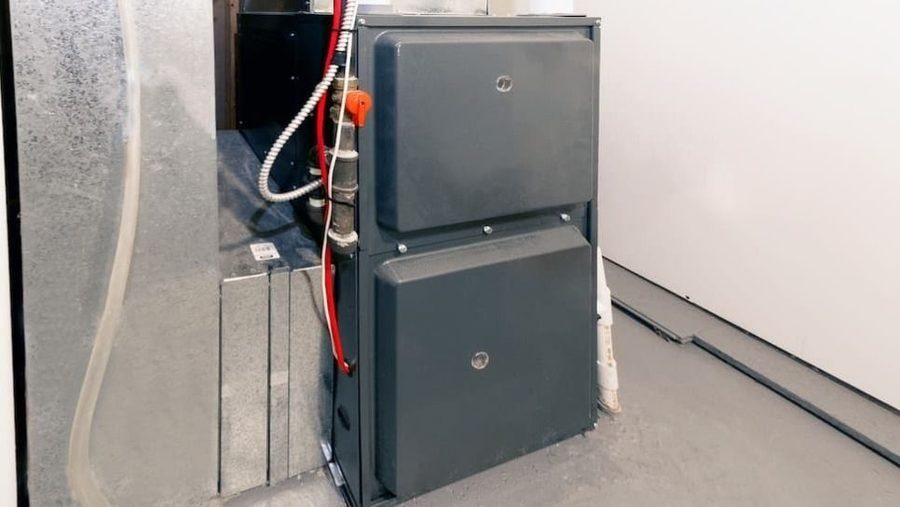
Missoula winters can test even reliable heating systems. When temperatures drop below freezing and cold weather lingers, homeowners depend on their furnaces to keep indoor temperatures comfortable. Unfortunately, an aging furnace may struggle to deliver the consistent heating your home needs.
If your furnace runs constantly, leaves certain rooms cold, or needs frequent repairs, you may wonder whether another service appointment is worth it. While some heating problems can be fixed with relatively simple repairs, others may mean replacement is the more practical investment.
In this guide, we’ll explain why older furnaces struggle during Montana winters, the warning signs homeowners should recognize, and how to determine whether furnace repair or replacement in Missoula, MT, makes the most sense.
Why Missoula’s Winter Weather Puts Extra Stress on Older Furnaces
Missoula experiences cold winter temperatures, snowfall, and prolonged freezing periods. These conditions increase heating demand and can expose weaknesses in older furnaces that may not be noticeable during milder months.
As outdoor temperatures fall, your heating system must work harder to replace heat escaping through walls, windows, doors, and other parts of your home. Older equipment with worn components or existing performance problems may struggle to maintain the temperature you’ve selected.
Several factors can make winter heating particularly demanding:
-
Extended cold spells: Furnaces may run longer to maintain indoor comfort.
-
Aging components: Years of operation can increase mechanical wear and reduce reliability.
-
Heat loss: Drafty windows, inadequate insulation, and air leaks increase heating demand.
-
Restricted airflow: Dirty filters or ductwork problems can reduce heating performance.
-
Deferred maintenance: Unaddressed problems may become more noticeable during heavy winter use.
Longer furnace cycles aren’t automatically a sign of failure. In particularly cold weather, a properly functioning system may run longer to maintain comfortable temperatures.
However, if your furnace consistently fails to reach the thermostat setting, professional evaluation can help identify the underlying problem.
Common Reasons an Old Furnace Stops Heating Effectively
When an old furnace isn’t heating your house properly, several factors could be responsible. Some involve routine maintenance, while others relate to worn components or declining equipment performance.
One common problem is restricted airflow. A dirty air filter can limit airflow through your heating system, reducing comfort and causing operational problems.
Other possible causes include:
-
Dirty air filters: Restricted airflow can interfere with normal furnace operation.
-
Worn blower components: A malfunctioning blower may struggle to distribute heated air.
-
Thermostat problems: Incorrect settings or faulty controls can affect heating cycles.
-
Ductwork issues: Leaking or disconnected ducts may prevent warm air from reaching certain rooms.
-
Ignition problems: Faulty ignition components can prevent the furnace from heating properly.
-
Aging equipment: Deteriorating components can reduce reliability and cause inconsistent performance.
Not every heating problem requires expensive repairs or equipment replacement. A professional inspection can determine whether the issue involves an isolated component, maintenance concern, or more extensive deterioration.
Warning Signs Your Furnace May Need Professional Attention
Furnaces often show signs of trouble before they completely stop working. Recognizing these symptoms can help Missoula homeowners address heating problems before an unexpected breakdown occurs during freezing weather.
One noticeable warning sign is uneven heating. If certain rooms remain cold while others feel comfortable, the problem may involve airflow restrictions, ductwork, insulation, or furnace performance.
Other warning signs include:
-
Frequent cycling: The furnace turns on and off unusually often.
-
Cold air from vents: The system runs but doesn’t consistently deliver warm air.
-
Unusual noises: Banging, rattling, or squealing may indicate mechanical problems.
-
Rising heating bills: Higher energy use may suggest declining efficiency or changing heating needs.
-
Repeated repairs: Frequent service calls can indicate deteriorating equipment.
-
Difficulty maintaining temperatures: The furnace struggles to reach or maintain the thermostat setting.
Some symptoms require more immediate attention. If you smell gas, leave the building, avoid operating electrical switches or creating sparks, and contact your gas utility or emergency services from a safe location.
If a carbon monoxide alarm sounds, evacuate immediately and contact emergency services. Do not return until authorities confirm that the building is safe.
When Furnace Repair Is the Better Option
Deciding between furnace repair and replacement in Missoula depends on the equipment’s age, repair costs, maintenance history, and overall condition. In many situations, repairing an existing furnace is the most practical and economical choice.
If your furnace is relatively new and has generally performed reliably, an isolated component failure may not justify replacing the entire system. Repairs involving thermostats, ignition components, blower parts, or other serviceable components can often restore normal operation.
Furnace repair may make sense when:
-
The equipment has been maintained regularly.
-
The problem involves a replaceable component.
-
Repair costs are reasonable compared with replacement.
-
The furnace has no significant safety concerns.
-
The system continues to heat your home effectively after repairs.
A professional technician can evaluate whether the repair addresses the underlying issue or simply postpones a larger problem. Understanding the furnace’s expected remaining service life can also help homeowners make a more informed financial decision.
When It’s Time to Replace Your Aging Furnace
Many residential furnaces have an expected service life of about 15 to 20 years, though actual longevity varies with equipment quality, maintenance, installation, and operating conditions. Some systems remain reliable beyond this range, while others develop significant problems earlier.
An older furnace doesn’t automatically need replacement simply because it has reached a certain age. However, age becomes more important when combined with frequent breakdowns, expensive repairs, or declining heating performance.
Replacement may be the better option when:
-
Major repairs are becoming expensive: Replacing significant components may not be economical on an aging system.
-
Breakdowns occur frequently: Repeated service calls can create ongoing expenses and inconvenience.
-
Heating performance continues declining: The furnace struggles to maintain comfortable temperatures despite repairs.
-
Safety concerns are identified: Certain heat exchanger or combustion-related problems may make continued operation unsafe.
-
Equipment efficiency is poor: An older, inefficient furnace may cost more to operate than a properly selected replacement.
Homeowners should compare the cost of necessary repairs with the price and potential benefits of replacement. A professional assessment can help determine whether investing in existing equipment makes financial sense.
How a New Furnace Can Improve Winter Comfort and Efficiency
Replacing an aging furnace can provide benefits beyond restoring reliable heating. Modern equipment may offer improved efficiency, more consistent temperature control, and features designed to enhance everyday comfort.
Furnace efficiency is commonly measured using Annual Fuel Utilization Efficiency, or AFUE. This rating indicates the percentage of fuel energy converted into useful heat over a typical heating season.
For example, a furnace with a 95% AFUE rating converts approximately 95% of its fuel energy into useful heat under standardized testing conditions. Higher-efficiency equipment may reduce heating energy consumption compared with older, less efficient systems.
Other potential benefits include:
-
More consistent heating: Properly selected equipment can help maintain comfortable temperatures.
-
Improved efficiency: Higher AFUE ratings may reduce fuel consumption.
-
Updated controls: Modern thermostats and compatible equipment can give you more control over heating operation.
-
Quieter operation: Certain newer systems offer quieter blower and burner performance.
-
Improved reliability: New equipment can reduce the likelihood of age-related breakdowns.
However, installation quality matters just as much as equipment selection. An oversized or undersized furnace may still have performance problems even if it’s brand new.
A professional heating evaluation should consider your home’s size, insulation, windows, ductwork, and heating requirements before recommending replacement equipment.
How to Help Your Furnace Perform Better During Missoula’s Coldest Months
Preventative maintenance can help your furnace operate more reliably throughout Montana’s heating season. Even older equipment may benefit from routine inspections and basic homeowner maintenance.
The best time to address potential furnace problems is before extended freezing weather arrives. However, maintenance remains valuable throughout winter, particularly if you notice changes in heating performance.
Homeowners can take several steps to support furnace operation:
-
Check air filters regularly: Replace dirty filters according to the manufacturer’s recommendations and your home’s conditions.
-
Keep supply and return vents clear: Avoid blocking airflow with furniture, rugs, or other objects.
-
Monitor thermostat settings: Confirm that heating schedules and temperature settings are appropriate.
-
Address household drafts: Seal appropriate air leaks and improve insulation where needed.
-
Schedule professional inspections: Have heating components, safety controls, and system operation evaluated.
-
Maintain carbon monoxide alarms: Test alarms regularly and replace them according to manufacturer instructions.
Professional furnace maintenance may include inspecting burners, checking electrical connections, evaluating airflow, and verifying safe combustion operation. These services can help identify developing concerns before they lead to unexpected heating interruptions.
If your furnace stops heating in extremely cold weather, don’t attempt repairs involving gas connections, combustion components, or electrical systems. Contact a qualified HVAC professional to safely diagnose the problem.
Get Reliable Furnace Service in Missoula With Hellgate Plumbing, Heating & Cooling
Missoula’s winter weather demands dependable heating, and an aging furnace can make it increasingly difficult to maintain indoor comfort. Knowing the warning signs of equipment problems can help you decide when you need professional service.
Whether your furnace needs a relatively simple repair or is approaching the end of its useful life, evaluating its condition is essential. Equipment age, repair history, heating performance, and safety should all influence the decision between repair and replacement.
At Hellgate Plumbing, Heating & Cooling, we understand how important reliable heating is for homeowners throughout Missoula and the surrounding areas. Our team can evaluate furnace performance, identify potential problems, and help you explore heating repair or replacement options that fit your home’s needs.
If your old furnace struggles to keep up with winter temperatures, don’t wait for a complete breakdown to seek professional help. Contact Hellgate Plumbing, Heating & Cooling today to schedule furnace repair, maintenance, or a replacement consultation and keep your Missoula home comfortable all winter.
Get Assistance Today
Don't Wait... Call Hellgate
Responsive and reliable. Help when you need it most. Hellgate Plumbing, Heating and Cooling has provided residents of Missoula, Lolo, Florence, MT, and beyond with reliable and affordable HVAC and plumbing services for over 40 years.