Stay Protected with our Diamond Club Membership
Fireplace Repair in the Greater Missoula Area
Don't Wait...Call Hellgate
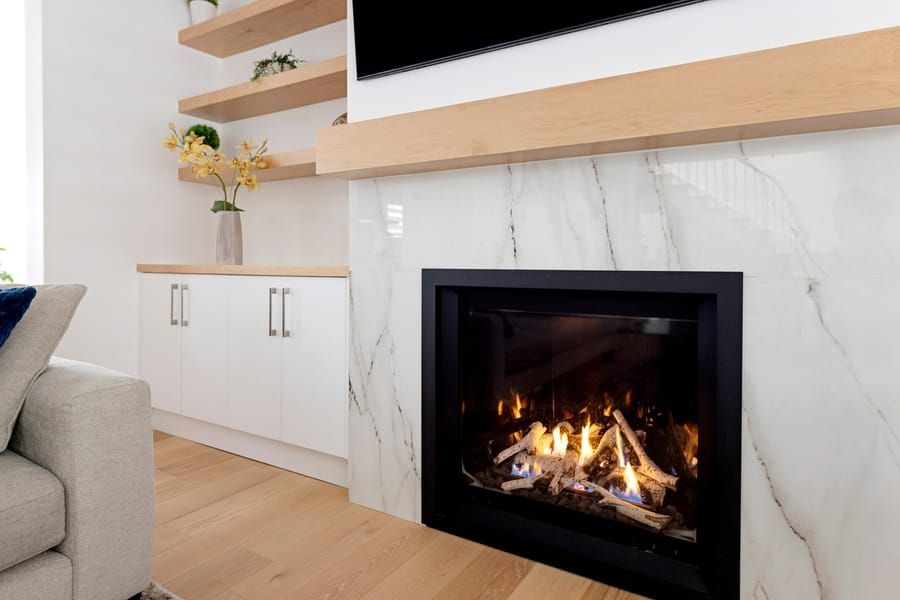
A gas fireplace should ignite cleanly, produce a stable flame, and deliver dependable supplemental heat when Western Montana temperatures fall. When the pilot will not stay lit, the burner shuts down unexpectedly, the glass develops heavy soot, or the blower stops moving warm air, the problem should be evaluated before the fireplace is used again.
Hellgate Plumbing, Heating and Cooling provides gas fireplace repair and service throughout Missoula, Lolo, Florence, and surrounding communities. Our technicians diagnose problems involving ignition components, gas controls, burners, blowers, electrical connections, remote systems, and venting so we can address the cause of the malfunction rather than simply resetting the unit.
If your fireplace is difficult to start, operating differently than it once did, or showing signs of incomplete combustion, Don’t Wait… Call Hellgate.
Gas Fireplace Problems We Diagnose and Repair
Modern gas fireplaces combine fuel delivery, ignition, ventilation, electrical controls, and heat distribution within one appliance. A failure in any part of that system can affect ignition, flame quality, heat output, or safe operation.
Our fireplace repair services address problems such as:
-
A pilot light that will not ignite or remain lit
-
Delayed or unreliable burner ignition
-
A fireplace that turns off after several minutes
-
Weak, uneven, or unusually colored flames
-
Black soot forming on the glass or logs
-
Cloudy or discolored fireplace glass
-
Wall switches or remote controls that do not respond
-
A blower that does not run or makes excessive noise
-
Unusual clicking, rattling, grinding, or buzzing
-
Burning, electrical, or gas odors
-
Error codes on electronically controlled units
-
Damaged gaskets, wiring, sensors, or control components
-
Inadequate heat from a fireplace that appears to be operating
-
Drafting or venting concerns
The visible symptom does not always identify the failed component. A fireplace that will not start, for example, could have a weak thermopile, dirty flame sensor, damaged switch, failed receiver, interrupted gas supply, or problem within the control module. We test the relevant parts before recommending a repair.
Pilot Light and Ignition System Repair
Ignition problems are among the most common reasons homeowners schedule gas fireplace service. Some fireplaces use a standing pilot, while newer systems may use intermittent electronic ignition. The diagnostic process depends on how the appliance is designed to start and prove that a flame is present.
A pilot that lights but will not remain on may indicate:
-
A dirty or failing thermocouple
-
Insufficient thermopile output
-
A blocked or dirty pilot assembly
-
An improperly positioned flame sensor
-
A weak pilot flame
-
A damaged wire or electrical connection
-
A failing gas control valve
-
A safety control preventing continued operation
Our technicians inspect the ignition assembly, clean components when appropriate, test electrical output, and confirm that the pilot flame properly contacts the sensing components. If a part can no longer operate reliably, we explain the available replacement options.
Repeatedly relighting a pilot without identifying why it goes out does not correct the underlying problem. Professional diagnosis is particularly important when the fireplace has become increasingly difficult to start or shuts down after ignition.
Burner, Flame, and Soot Problems
A properly operating gas fireplace should produce a stable flame without leaving heavy black deposits on the glass or decorative logs. Sooting may indicate that the fuel and combustion air are not mixing correctly.
Possible causes include:
-
Clogged or dirty burner ports
-
Decorative logs positioned incorrectly
-
Restricted combustion air
-
Burner alignment problems
-
Incorrect gas pressure
-
Deteriorated burner components
-
Venting or drafting problems
-
An air shutter that requires adjustment
Log placement matters because gas fireplace logs are designed to sit in specific positions. If they shift or are reinstalled incorrectly, flames may contact surfaces in ways that produce soot and interfere with combustion.
We inspect the burner assembly, flame pattern, log placement, air intake, and related controls to determine why the fireplace is not burning cleanly. Cleaning the glass alone may improve its appearance temporarily, but the deposits will return if the combustion problem remains.
Gas Valve and Fuel-Supply Concerns
The gas valve regulates fuel flow to the pilot and main burner. A valve, regulator, connection, or related control problem can cause low flames, ignition failure, intermittent operation, or a fireplace that does not respond when switched on.
If you smell gas, turn the fireplace off if it is safe to do so, leave the immediate area, and contact the gas utility or emergency services from a safe location. Do not continue operating the fireplace or attempt to locate a gas leak with a flame.
During a fireplace service appointment, we can inspect accessible gas connections and controls, evaluate burner operation, and determine whether a valve or other component requires replacement. Fuel-system work must be completed carefully because improper gas pressure or an unreliable connection can affect both performance and safety.
Fireplace Blower and Heat-Circulation Repair
Many gas fireplaces use a blower to move heated air into the room. The flames may appear normal even when a failed blower significantly reduces the amount of usable heat reaching the living space.
A fireplace blower may need service if it:
-
Does not start after the fireplace warms
-
Runs intermittently
-
Moves very little air
-
Produces rattling, grinding, or squealing sounds
-
Continues running abnormally
-
Responds inconsistently to speed controls
Blower problems may involve the motor, fan blades, wiring, speed control, temperature switch, or accumulated debris. We inspect the blower assembly and determine whether cleaning, adjustment, electrical repair, or component replacement is appropriate.
Some blower noise is caused by normal metal expansion as the fireplace heats and cools. Persistent mechanical noise, vibration, or scraping should be evaluated before it causes additional damage.
Fireplace Switch, Remote, and Control Problems
A gas fireplace may be controlled by a wall switch, handheld remote, receiver box, thermostat, or electronic control module. When the pilot is lit but the main burner will not start, the problem may be within this control circuit rather than the fuel supply.
We troubleshoot issues involving:
-
Wall switches
-
Remote transmitters and receivers
-
Battery compartments and power supplies
-
Loose or damaged low-voltage wiring
-
Thermostatic controls
-
Electronic ignition modules
-
Safety switches and sensors
Replacing batteries is a sensible first step when a remote stops responding. If fresh batteries do not resolve the issue, the receiver, wiring, switch, or ignition system may require professional testing.
Fireplace Glass, Gaskets, and Sealed Combustion
The glass on a direct-vent fireplace is part of the appliance’s combustion system, not merely a decorative cover. Its frame and gasket help maintain the separation between the firebox and the living space.
Do not operate the fireplace if the glass is cracked, loose, incorrectly seated, or missing. The correct replacement glass must be used because ordinary window glass is not designed for fireplace temperatures or the appliance’s operating requirements.
Cloudy glass can develop as combustion residue collects on the interior surface. Light film may be a normal maintenance concern, but dark soot, rapid recurring deposits, or discoloration accompanied by an abnormal flame should prompt a broader combustion inspection.
We can evaluate the glass, gasket, frame, flame pattern, and burner condition to determine whether cleaning is sufficient or a damaged component needs to be replaced.
Venting Problems in Missoula-Area Fireplaces
Proper venting allows a gas fireplace to receive combustion air and safely discharge exhaust. Depending on the system, the vent may terminate through an exterior wall or roof.
Missoula-area fireplaces face several seasonal conditions that can interfere with reliable operation. Wind-driven debris, animal nesting materials, snow accumulation, ice, and exterior damage can restrict a vent termination. A fireplace that sits unused during warmer months may also develop an ignition or venting problem that does not become apparent until the first cold stretch of fall.
Signs of a possible venting or combustion problem include:
-
The fireplace repeatedly shuts down after starting
-
Heavy soot develops on the glass or logs
-
Flames appear unstable or unusually colored
-
The unit produces persistent odors
-
The fireplace overheats or trips a safety control
-
Condensation or staining appears around the appliance or vent area
We inspect accessible venting and combustion components as part of diagnosing the system. Fireplace service does not replace chimney sweeping or masonry chimney repair, but it can identify when a gas appliance is not venting or operating as intended.
Why Gas Fireplaces Struggle During Missoula Winters
Many homeowners in Missoula use a gas fireplace as supplemental zone heat in a living room, family room, basement, or addition. During a prolonged cold spell, that appliance may run much longer than it did during the milder weeks of fall.
Extended winter use can expose weaknesses that are less obvious during a short test cycle, including:
-
A weak thermopile that loses sufficient output as the system heats
-
A blower motor that becomes noisy during longer run times
-
A dirty burner that produces an uneven flame
-
A control or sensor that causes intermittent shutdowns
-
Restricted airflow around the appliance
-
A vent termination affected by snow, ice, or debris
-
An aging gasket that no longer seals correctly
Seasonal inactivity can create a different set of problems. Dust can collect around accessible components, batteries can weaken or corrode, and insects or debris can affect the pilot or burner area. Having the unit inspected before frequent winter use can help identify these concerns while the fireplace is still available as supplemental rather than urgently needed heat.
Fireplace Repair or Replacement?
Many fireplace problems can be resolved by cleaning, adjustment, or replacement of a failed ignition, control, or blower component. Repair may make sense when the fireplace is in good overall condition and compatible parts remain available.
Replacement may be worth considering when:
-
The unit has recurring failures
-
Critical replacement parts are obsolete
-
The firebox, glass frame, or venting components are damaged
-
Corrosion has affected important internal components
-
The fireplace no longer provides useful heat
-
Repair costs are substantial relative to the unit’s condition
-
You want different controls, efficiency, appearance, or heating performance
We evaluate the specific failure and the condition of the entire appliance before discussing replacement. If installing a new system is the better long-term option, our fireplace installation services can help you plan the upgrade without turning a repair appointment into an automatic sales recommendation.
Fireplace Service Versus Whole-Home Heating Repair
A gas fireplace can warm an individual room or provide supplemental comfort, but it usually does not replace the home’s primary heating system. If heat is inconsistent throughout the house, the problem may involve the furnace, boiler, heat pump, thermostat, ductwork, or another part of the central system.
Hellgate provides complete HVAC services for Missoula-area homes. We can help determine whether the comfort problem is isolated to the fireplace or involves the broader heating system.
This distinction matters during severe winter weather. A malfunctioning decorative or supplemental fireplace is different from a failed primary heating system that leaves the entire home without heat. Describing which equipment is affected when scheduling helps us understand the scope of the problem.
Why Missoula Homeowners Call Hellgate
Hellgate Plumbing, Heating and Cooling has spent decades working on heating equipment in Missoula and the surrounding Western Montana communities. We understand how seasonal inactivity, long winter run times, cold-weather vent conditions, and aging components affect local gas fireplaces.
Homeowners choose us for:
-
Systematic troubleshooting rather than guesswork
-
Experience with gas fireplace ignition and control systems
-
Careful evaluation of combustion and venting
-
Clear explanations before repairs begin
-
Respect for finished living spaces
-
Practical repair-versus-replacement recommendations
-
Service for fireplaces and complete home heating systems
-
Ongoing support through our Diamond Club membership
We protect the area around the fireplace, keep the work space orderly, and test operation after the approved repair is completed.

We're here to help!
Our team will help you select the perfect Rheem model for your specific needs.
Schedule Fireplace Repair in the Greater Missoula Area
A gas fireplace that is difficult to ignite, producing soot, shutting down, or operating differently than normal should be inspected before regular use continues. Addressing the problem early can restore dependable supplemental heat and prevent a small component failure from placing additional strain on the system.
Contact Hellgate Plumbing, Heating and Cooling to schedule gas fireplace repair in Missoula, Lolo, Florence, or a nearby Western Montana community. Don’t Wait… Call Hellgate.

$99
Fall Furnace Tune-UpOffer cannot be combined with any other promotions, discounts, or special offers. Terms, conditions, and limitations may apply.
Expires: Nov 30, 2026
Expires: Nov 30, 2026

Questions or concerns?
Fill out this form and our team will get back to you as soon as possible.
Frequently Asked Questions
Testimonials
Hear From Our Satisfied Customers

Jane (Jane)
4 days ago

Quick and friendly customer service got me scheduled right away. Austin B. completed thorough assessment of household plumbing and helped me create a logical and affordable service plan, and he got it scheduled with quick turn around. I had a water heater removed and replaced, as well as outside hose bib repaired in under 2 hours. Austin was kind and professional, and cool to my dog too!
Thanks Austin! I absolutely recommend Hellgate Plumbing!
Thanks Austin! I absolutely recommend Hellgate Plumbing!

Jj Garcia
4 days ago
Henry is so awesome we had a good service from him. Im so glad i picked Hellgate plumbing company. Thank you so much Henry. You’re the best.all our future plumbing needs will always be at Hellgate.

Scott Mathews
4 days ago
We had some pipes in a radiator crack during a cold snap, causing flooding in our basement on a Saturday morning. Lisa was great, she dispatched an after hours team for an assessment right away. The removal of the radiator and upgrade to our boiler was scheduled for first thing Monday morning. Alan was excellent at explaining the work he would complete and he provided a detailed quote before knocking it out. We also used them to install a new hot water heater. Henry was very professional and did great work. We appreciate Hellgate for their professionalism, prompt response and quality work.

Brett Richer
5 days ago
Great working with your team as always!

Gram Reeper
5 days ago
The furnace just wasn't itself. Not turning on and when it did, no heat. Jake got everything back in working order! Can't ask for anything better!!!!!

Randall Marshall
6 days ago
We had a water leak in our hot water heater. I called Lisa and she had Austin at my house within 2 hours.
Ultimately we needed new water heaters and Austin had them installed before the end of the day.
Great team to work with -- professional, knowledgeable, and polite.
We are quite satisfied and highly recommend Hellgate for any of their services.
Ultimately we needed new water heaters and Austin had them installed before the end of the day.
Great team to work with -- professional, knowledgeable, and polite.
We are quite satisfied and highly recommend Hellgate for any of their services.

Clark Sisler
6 days ago
I had no heat in my home for several weeks. I called Hellgate plumbing and heating to get an appointment to have my furnace fixed. Within one hour after calling them, I had Sinjun show up, fix my furnace, got me signed up for a membership. I have heat and the security of knowing if my plumbing, heat or air conditioner has problems, I have the security of knowing it will be fixed right proper. Thank you Sinjun and Hellgate plumbing heating and air

Lisa Buseman
1 week ago
Henry was awesome! He was professional, efficient, and very courteous. He explained the entire procedure and made it happen.

Charlene Bezdicek
1 week ago
Henry from Hellgate Plumbing was so excellent and professional, I ended up having to shut off water and they were here right away and got everything fixed and cleaned up in a timely matter.. I highly recommend them. Thanks again for such an excellent job..I will spread the word.

Jennifer Jencso
2 weeks ago
Wonderful service!and value! Our furnace and two gas fireplaces are safe and ready to go for the winter. Thanks Hellgate!

Aaron Roche
2 weeks ago
I am so blessed to have you guys at my house, great job . Thank you again and again

Linda Johnson
2 weeks ago
He repaired something that we had no idea about!!
Thanks a bunch!
Thanks a bunch!

Van Nice Family Daycare
2 weeks ago
I highly recommend Hellgate Plumbing, Heating and cooling. They have done 2 big jobs for me AC and plumbing .With both jobs all my question were answered with respect. They cleaned up after the jobs were finished. They are very professional and respectful. Thank you Mike, Austin, Henry ,Jakob,Caden and Jacob for the high quality work!!

Annika Duke
2 weeks ago
Very happy with the service from Hellgate Plumbing and Heating. They responded quickly. The plumber was very knowledgeable and informative and fixed our issue without any problems. I love their membership deals.

Corinne Earl
3 weeks ago
We had some condensation around our furnace and called for a technician to come take a look. Lisa in the office was very responsive and kept us up to date on our appointment. Jacob came out and fixed the problem quickly, and all seems to be going well a few days later. I will definitely use Hellgate for future needs.

Patrick McCormick
3 weeks ago
Exceptional service and expertise. Performed various tasks but only charged me for the ones that were needed. Much appreciated!

Barbara Shubert
3 weeks ago
Abe, the technician, was great. He arrived soon after he called me, quickly diagnosed and explained the issue and gave me a couple of options for repair. Everything was repaired and is now working. I will call you again. Thank you.

Michael Pasillas
3 weeks ago
Great service, awesome response time, amazing price tag. Got us squared away for colder temps with furnace inspection and update
Get Assistance Today
Don't Wait... Call Hellgate
Responsive and reliable. Help when you need it most. Hellgate Plumbing, Heating and Cooling has provided residents of Missoula, Lolo, Florence, MT, and beyond with reliable and affordable HVAC and plumbing services for over 40 years.