Stay Protected with our Diamond Club Membership
Gas Fireplace Installation in Missoula, MT
Don't Wait...Call Hellgate
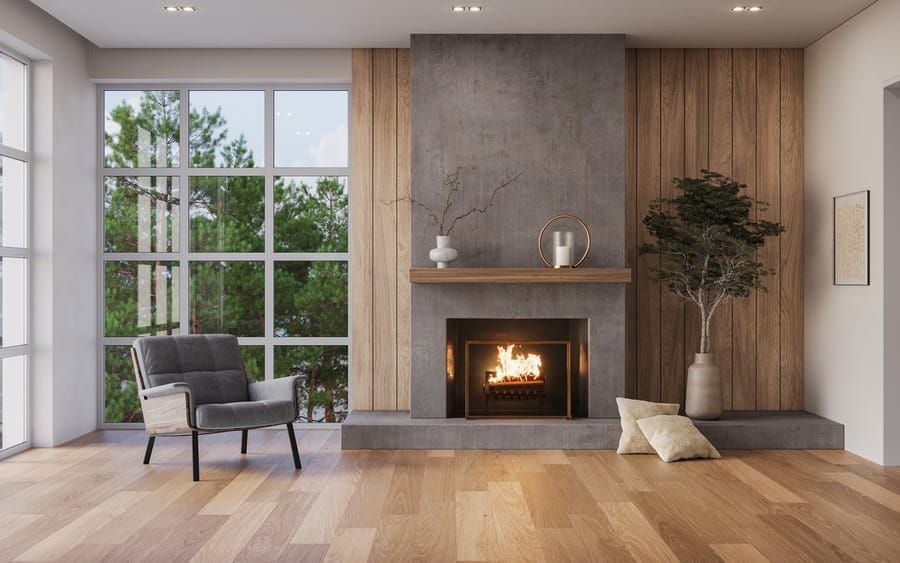
A gas fireplace can add dependable supplemental heat to a room that feels cold, create a comfortable gathering space, and provide the appearance of a traditional fire without hauling wood or cleaning ash. Getting those benefits requires more than choosing a fireplace based on appearance. The appliance must suit the room, the venting path, the available fuel supply, and the way you expect to use it during a Western Montana winter.
Hellgate Plumbing, Heating and Cooling provides professional gas fireplace installation throughout Missoula, Lolo, Florence, and surrounding communities. We help homeowners evaluate installation locations, compare fireplace types, plan gas and electrical connections, and select equipment with the appropriate heat output and vent configuration.
Whether you are adding a gas fireplace to a living area or replacing an outdated unit, our team can plan and complete the mechanical installation with safety, performance, and long-term serviceability in mind. Don’t Wait… Call Hellgate to begin planning your project.
Gas Fireplace Installation Options
The right fireplace depends on the home, the installation location, and whether the primary goal is supplemental heat, visual appeal, or a balance of both. Hellgate installs gas fireplace systems for new projects and replacement applications.
Depending on the property and existing construction, your options may include:
Built-In Gas Fireplaces
A built-in gas fireplace can be incorporated into a wall or planned as part of a new room layout. These installations require sufficient framing space, manufacturer-specified clearances, an approved vent route, a gas connection, and any required electrical service.
Because the appliance becomes part of the room, placement should be evaluated before framing or finish work begins. The location affects not only appearance but also venting feasibility, heat distribution, furniture placement, and future service access.
Direct-Vent Gas Fireplaces
Direct-vent fireplaces draw combustion air from outdoors and exhaust combustion gases through a sealed venting system. Depending on the selected model and the home’s layout, the vent may terminate through an exterior wall or roof.
This configuration offers greater placement flexibility than systems dependent on a traditional masonry chimney. However, the vent route, termination location, clearances, and total allowable vent length must follow the requirements of the specific appliance.
Gas Fireplace Inserts
A gas insert may allow an existing fireplace opening to be converted into a more convenient gas heating appliance. The existing opening and chimney must be evaluated to determine whether they can accommodate the selected insert and its approved venting system.
An insert installation is not simply a matter of placing a new appliance inside the old firebox. Proper fit, gas supply, vent liners, electrical needs, clearances, and manufacturer requirements all influence whether the conversion is feasible.
Freestanding Gas Fireplaces
A freestanding gas fireplace can provide supplemental heat without being built fully into a wall. These units still require an approved location, appropriate floor and wall clearances, gas service, venting, and electrical power when the model includes a blower or electronic controls.
Freestanding equipment can work well in certain open rooms, additions, and finished spaces where a traditional built-in configuration is not practical.
Planning a Fireplace for a Missoula-Area Home
Missoula homes vary considerably in age, construction, insulation, and existing heating infrastructure. An installation plan that works in a newer home may not suit an older property with a masonry chimney, remodeled walls, limited electrical access, or an unconventional floor plan.
Before recommending a fireplace, we consider:
-
The size and layout of the room
-
Whether the fireplace will provide meaningful supplemental heat
-
The condition and insulation level of the space
-
Available exterior walls or roof access for venting
-
The location of existing gas service
-
Electrical requirements for ignition, controls, and blowers
-
Manufacturer-required clearances
-
Access for future inspection and repair
-
The relationship between the fireplace and the home’s primary heating system
-
Exterior conditions around the proposed vent termination
-
The homeowner’s preferred controls and appearance
This planning stage helps determine which fireplace types are actually compatible with the property. It also identifies work that may be needed before installation can proceed.
Selecting the Right Heat Output
A gas fireplace should be selected for the room it serves rather than simply choosing the largest available model. Heat output is commonly expressed in BTUs, but the appropriate capacity depends on more than square footage.
We consider factors such as:
-
Ceiling height
-
Window size and condition
-
Exterior wall exposure
-
Insulation and air leakage
-
Room layout and connections to adjacent spaces
-
Existing heating in the area
-
How frequently the fireplace will be used
-
Whether the goal is ambiance or supplemental heating
An undersized fireplace may create an attractive flame without noticeably improving comfort. An oversized unit can make the immediate area uncomfortably hot, leading to short operating cycles and limited use.
Western Montana’s cold winters make adequate capacity important, but a gas fireplace should not be treated as a substitute for properly sizing the home’s primary heating system. If comfort problems affect multiple rooms, our broader HVAC services can determine whether the central system also needs attention.
Gas Fireplace Venting
Venting is one of the most important parts of gas fireplace installation. The correct configuration depends on the appliance type, manufacturer requirements, building layout, and proposed termination location.
A vent must follow an approved route and maintain required clearances from combustible materials. The exterior termination must also be positioned in relation to windows, doors, overhangs, rooflines, walkways, utility equipment, and other building features.
Missoula-area installations require additional consideration for snow, ice, wind, and drifting conditions. A termination placed too close to expected snow accumulation or in a poorly protected location may become obstructed during winter. The vent route must also stay within the length and configuration limits established for the selected fireplace.
We evaluate venting before finalizing the equipment choice. This prevents homeowners from selecting a model that cannot be safely or practically installed in the desired location.
Gas Supply and Electrical Requirements
A new gas fireplace requires a fuel supply capable of supporting the appliance while other gas equipment is operating. The existing piping must be evaluated for material, size, route, and available capacity.
The installation may require:
-
A new branch gas line
-
An accessible shutoff valve
-
Approved flexible or rigid connections
-
Pressure testing
-
Gas-pressure verification
-
Electrical power for the ignition system
-
Power for a blower, receiver, or control module
-
Low-voltage wiring for a wall switch or thermostat
-
Batteries or backup power components for compatible controls
Assuming an existing gas line can support another appliance may lead to poor fireplace performance or affect other equipment. We assess the installation requirements before connecting the new unit.
Converting a Wood-Burning Fireplace to Gas
Some existing wood-burning fireplaces can accommodate a gas insert, but not every fireplace or chimney is a suitable candidate. The condition and dimensions of the existing firebox, chimney configuration, available gas supply, and approved venting options must all be evaluated.
A conversion may involve:
-
Measuring the existing opening
-
Inspecting the firebox and accessible chimney
-
Selecting an insert approved for the application
-
Installing the required vent liners
-
Extending gas service to the fireplace
-
Providing electrical power when needed
-
Sealing and finishing the insert surround
-
Testing combustion and controls
A gas insert offers push-button operation, cleaner day-to-day use, and more controllable heat than an open wood-burning fireplace. The completed system must still be installed as a listed appliance according to its specific requirements.
Replacing an Existing Gas Fireplace
An aging gas fireplace may no longer provide the appearance, controls, efficiency, or heating performance a homeowner wants. Replacement can also become necessary when critical parts are obsolete or damage makes continued repair impractical.
Replacing a fireplace is different from replacing a freestanding appliance. The existing opening, framing, venting, gas connection, electrical supply, and surrounding materials were built around a particular unit. A new model may have different dimensions and installation requirements.
We evaluate:
-
The current fireplace type and condition
-
The dimensions of the existing opening
-
Whether the current venting is compatible
-
Gas-line capacity and connection location
-
Electrical and control requirements
-
Required clearances
-
Access for removal and installation
-
Surround and finish implications
-
Available replacement models
If your current fireplace is malfunctioning but otherwise suits the home, repair may be the more practical option. Our gas fireplace repair services address ignition failures, control problems, soot, blower issues, and other operating concerns.
Our Gas Fireplace Installation Process
Every project has different structural and mechanical requirements, but a professional installation generally follows a defined process.
1. Evaluate the Room and Project Goals
We discuss where you want the fireplace, how you plan to use it, and whether supplemental heat or appearance is the leading priority. We then evaluate the space and accessible infrastructure.
2. Confirm Installation Feasibility
Our team reviews the proposed vent route, gas availability, electrical requirements, clearances, and service access. For replacement projects, we also document the existing appliance and opening.
3. Select Compatible Equipment
We help identify fireplace options that fit the installation conditions and expected heat demand. This prevents the project from being designed around equipment that is too large, too small, or incompatible with the available venting path.
4. Prepare the Mechanical Connections
The required gas, venting, electrical, and control connections are installed or modified according to the project scope and appliance requirements.
5. Set and Connect the Fireplace
The unit is positioned securely, connected, and configured according to manufacturer instructions. Logs, glass, panels, and other appliance-specific components are installed in their correct positions.
6. Test and Commission the System
We test the fireplace through a complete operating cycle. This includes checking ignition, flame characteristics, gas connections, controls, blower operation, venting, and shutdown.
7. Review Operation With the Homeowner
Before the project is complete, we explain how to use the controls, what to expect during initial operation, and which changes in flame, sound, odor, or performance should prompt service.
Safety and Code Considerations
Gas fireplace installation affects fuel delivery, combustion, exhaust, electrical service, and nearby combustible materials. Each of those elements must meet the requirements of the appliance and the installation.
Important considerations include:
-
Gas-line sizing and approved materials
-
Shutoff-valve placement
-
Leak and pressure testing
-
Vent type and configuration
-
Exterior termination clearances
-
Clearances from framing and finish materials
-
Hearth and floor-protection requirements
-
Electrical connections
-
Glass and barrier placement
-
Combustion testing
-
Permit and inspection requirements
Manufacturer instructions are specific to each fireplace model. A vent component, clearance, or installation method approved for one unit may not be approved for another. We plan the project around the selected equipment rather than applying a generic fireplace layout.
Planning Around Missoula’s Climate
A fireplace installed in Western Montana should be planned for more than occasional decorative use. Many homeowners rely on gas fireplaces to make frequently occupied rooms more comfortable during long winter evenings and periods of severe cold.
Local installation planning should account for:
-
Cold outdoor temperatures and the desired indoor heat output
-
Snow accumulation around wall or roof vent terminations
-
Wind exposure at the selected side of the home
-
Long operating cycles during cold weather
-
Access to exterior components after snowfall
-
Room layouts that trap heat near high ceilings
-
Older homes with air leakage or limited insulation
-
Additions and remodeled spaces with uneven central heating
Fireplaces are particularly useful for targeted comfort, but heat still needs a practical path into the occupied area. Equipment placement, blower selection, ceiling height, and room configuration all affect how useful that heat feels.
Gas Fireplace Controls and Comfort Features
Modern gas fireplaces offer more control than a simple on-and-off switch. Available features vary by model but may include:
-
Handheld remote controls
-
Wall-mounted controls
-
Thermostatic operation
-
Adjustable flame height
-
Variable-speed blowers
-
Electronic ignition
-
Accent lighting
-
Battery backup for compatible controls
-
Multiple log, media, and interior-panel options
We help homeowners distinguish between features that affect heating performance and those that primarily affect appearance or convenience. Control compatibility should be confirmed during equipment selection because not every feature can be added after installation.
What Gas Fireplace Installation Does Not Include
A clear project scope helps prevent surprises. Hellgate handles the mechanical fireplace installation, including applicable gas, venting, equipment, control, and startup requirements.
Depending on the project, separate trades may be needed for extensive framing, structural modifications, masonry restoration, cabinetry, drywall, painting, stonework, tile, mantel construction, or other decorative finish work. We identify these needs during planning so the mechanical installation can be coordinated with the surrounding construction.
Why Choose Hellgate for Fireplace Installation?
Hellgate Plumbing, Heating and Cooling has spent decades serving homes in Missoula and the surrounding Western Montana communities. We understand that fireplace installation is both a comfort project and a technical heating installation.
Homeowners choose us for:
-
Careful evaluation before equipment is selected
-
Practical guidance on fireplace type and heat output
-
Gas, electrical, control, and venting coordination
-
Attention to manufacturer requirements and clearances
-
Planning for Missoula-area snow and winter conditions
-
Complete operational testing
-
Clear explanations throughout the project
-
Continued support after installation
If the project is part of a larger heating upgrade, we can also evaluate how the fireplace will work alongside the home’s furnace system or other primary heating equipment.

We're here to help!
Our team will help you select the perfect Rheem model for your specific needs.
Start Planning Your Fireplace Installation
A well-planned gas fireplace can improve comfort in a cold room, add convenient supplemental heat, and create a gathering space your household can enjoy throughout Missoula’s heating season. The best results begin with selecting equipment that fits both the room and the home’s mechanical requirements.
Contact Hellgate Plumbing, Heating and Cooling to discuss gas fireplace installation in Missoula, Lolo, Florence, Frenchtown, or a nearby Western Montana community. Don’t Wait… Call Hellgate.

NEW
Furnace as Low as $88/monthOffer cannot be combined with any other promotions, discounts, or special offers. Terms, conditions, and limitations may apply.
Expires: Nov 30, 2026
Expires: Nov 30, 2026

Questions or concerns?
Fill out this form and our team will get back to you as soon as possible.
Frequently Asked Questions
Testimonials
Hear From Our Satisfied Customers

Jane (Jane)
3 days ago

Quick and friendly customer service got me scheduled right away. Austin B. completed thorough assessment of household plumbing and helped me create a logical and affordable service plan, and he got it scheduled with quick turn around. I had a water heater removed and replaced, as well as outside hose bib repaired in under 2 hours. Austin was kind and professional, and cool to my dog too!
Thanks Austin! I absolutely recommend Hellgate Plumbing!
Thanks Austin! I absolutely recommend Hellgate Plumbing!

Jj Garcia
4 days ago
Henry is so awesome we had a good service from him. Im so glad i picked Hellgate plumbing company. Thank you so much Henry. You’re the best.all our future plumbing needs will always be at Hellgate.

Scott Mathews
4 days ago
We had some pipes in a radiator crack during a cold snap, causing flooding in our basement on a Saturday morning. Lisa was great, she dispatched an after hours team for an assessment right away. The removal of the radiator and upgrade to our boiler was scheduled for first thing Monday morning. Alan was excellent at explaining the work he would complete and he provided a detailed quote before knocking it out. We also used them to install a new hot water heater. Henry was very professional and did great work. We appreciate Hellgate for their professionalism, prompt response and quality work.

Brett Richer
4 days ago
Great working with your team as always!

Gram Reeper
4 days ago
The furnace just wasn't itself. Not turning on and when it did, no heat. Jake got everything back in working order! Can't ask for anything better!!!!!

Randall Marshall
6 days ago
We had a water leak in our hot water heater. I called Lisa and she had Austin at my house within 2 hours.
Ultimately we needed new water heaters and Austin had them installed before the end of the day.
Great team to work with -- professional, knowledgeable, and polite.
We are quite satisfied and highly recommend Hellgate for any of their services.
Ultimately we needed new water heaters and Austin had them installed before the end of the day.
Great team to work with -- professional, knowledgeable, and polite.
We are quite satisfied and highly recommend Hellgate for any of their services.

Clark Sisler
6 days ago
I had no heat in my home for several weeks. I called Hellgate plumbing and heating to get an appointment to have my furnace fixed. Within one hour after calling them, I had Sinjun show up, fix my furnace, got me signed up for a membership. I have heat and the security of knowing if my plumbing, heat or air conditioner has problems, I have the security of knowing it will be fixed right proper. Thank you Sinjun and Hellgate plumbing heating and air

Lisa Buseman
7 days ago
Henry was awesome! He was professional, efficient, and very courteous. He explained the entire procedure and made it happen.

Charlene Bezdicek
1 week ago
Henry from Hellgate Plumbing was so excellent and professional, I ended up having to shut off water and they were here right away and got everything fixed and cleaned up in a timely matter.. I highly recommend them. Thanks again for such an excellent job..I will spread the word.

Jennifer Jencso
1 week ago
Wonderful service!and value! Our furnace and two gas fireplaces are safe and ready to go for the winter. Thanks Hellgate!

Aaron Roche
1 week ago
I am so blessed to have you guys at my house, great job . Thank you again and again

Linda Johnson
2 weeks ago
He repaired something that we had no idea about!!
Thanks a bunch!
Thanks a bunch!

Van Nice Family Daycare
2 weeks ago
I highly recommend Hellgate Plumbing, Heating and cooling. They have done 2 big jobs for me AC and plumbing .With both jobs all my question were answered with respect. They cleaned up after the jobs were finished. They are very professional and respectful. Thank you Mike, Austin, Henry ,Jakob,Caden and Jacob for the high quality work!!

Annika Duke
2 weeks ago
Very happy with the service from Hellgate Plumbing and Heating. They responded quickly. The plumber was very knowledgeable and informative and fixed our issue without any problems. I love their membership deals.

Corinne Earl
3 weeks ago
We had some condensation around our furnace and called for a technician to come take a look. Lisa in the office was very responsive and kept us up to date on our appointment. Jacob came out and fixed the problem quickly, and all seems to be going well a few days later. I will definitely use Hellgate for future needs.

Patrick McCormick
3 weeks ago
Exceptional service and expertise. Performed various tasks but only charged me for the ones that were needed. Much appreciated!

Barbara Shubert
3 weeks ago
Abe, the technician, was great. He arrived soon after he called me, quickly diagnosed and explained the issue and gave me a couple of options for repair. Everything was repaired and is now working. I will call you again. Thank you.

Michael Pasillas
3 weeks ago
Great service, awesome response time, amazing price tag. Got us squared away for colder temps with furnace inspection and update
Get Assistance Today
Don't Wait... Call Hellgate
Responsive and reliable. Help when you need it most. Hellgate Plumbing, Heating and Cooling has provided residents of Missoula, Lolo, Florence, MT, and beyond with reliable and affordable HVAC and plumbing services for over 40 years.