Stay Protected with our Diamond Club Membership
Are Heat Pumps a Good Choice for Missoula Homes? What to Know Before Installation
Don't Wait...Call Hellgate
Heat pumps are becoming a popular option for homeowners who want one efficient system for both heating and cooling. However, Missoula’s long winters, cold nights, and periods of below-freezing weather can make homeowners wonder whether a heat pump will provide enough warmth when temperatures drop.
Modern cold-climate systems are designed to perform far better in low temperatures than older heat pump models. Even so, successful heat pump installation depends on selecting the right equipment, sizing it correctly, and evaluating the home’s insulation, ductwork, electrical capacity, and backup heating needs.
In this guide, we will explain how heat pumps perform in Missoula, the benefits they may offer, and what homeowners should consider before choosing a system.
Are Heat Pumps a Good Fit for Missoula’s Climate?
Heat pumps were once viewed primarily as heating and cooling systems for areas with mild winters. That reputation came from older equipment that lost significant heating capacity as outdoor temperatures dropped.
Today’s cold-climate heat pumps are built to operate more effectively in freezing conditions. Many use variable-speed compressors that adjust their output based on the home’s heating needs. Instead of running at full power and shutting off repeatedly, the system can operate steadily at a lower or higher capacity.
This makes modern heat pumps a realistic option for many Missoula homes. However, equipment selection matters. A standard heat pump designed for a warmer climate may not provide the same winter performance as a system specifically rated for cold-weather operation.
The home itself also plays a major role. A well-insulated, properly sealed house will retain heat more effectively than a drafty home with aging windows, insufficient attic insulation, or significant duct leakage.
How Heat Pumps Provide Heating and Cooling
A heat pump does not create heat in the same way a furnace does. Instead, it transfers heat from one location to another.
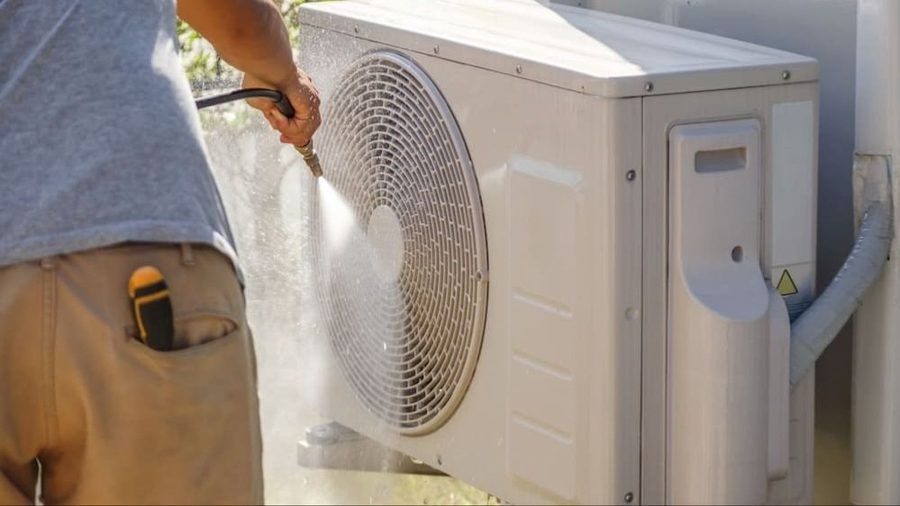
During the winter, the system draws heat energy from the outdoor air and moves it into the home. Outdoor air still contains usable heat energy even when the temperature is below freezing. The refrigerant and compressor allow the system to collect and transfer that energy indoors.
During the summer, the process reverses. The heat pump removes heat from inside the home and transfers it outdoors, operating much like a central air conditioner.
A heat pump can provide:
-
Whole-home heating during colder weather
-
Central or zoned cooling during the summer
-
Continuous air circulation
-
More consistent indoor temperatures
-
Heating and cooling from one primary system
Because the same equipment performs two jobs, a heat pump may simplify a home’s comfort setup.
Can a Heat Pump Handle a Missoula Winter?
A properly selected cold-climate heat pump can provide dependable heating through much of a typical Missoula winter. However, homeowners should understand that winter performance depends on more than the outdoor temperature alone.
Important factors include:
-
The heat pump’s rated capacity at low temperatures
-
The size and layout of the home
-
The quality of the home’s insulation
-
Air leakage around doors and windows
-
The condition and design of the ductwork
-
The indoor temperature the homeowner prefers
-
Whether supplemental heat is available
As outdoor temperatures fall, a heat pump may need to work harder to maintain the thermostat setting. Its efficiency and heating capacity can also decrease during extreme cold.
That does not mean the system is failing. It means the heat pump must be designed around the home’s actual heating load. A professional HVAC evaluation should account for Missoula’s winter conditions rather than relying only on the home’s square footage.
When Supplemental Heat May Be Recommended
Some Missoula homes may benefit from a supplemental heating source during the coldest parts of winter. This additional heat can help maintain comfort when the outdoor temperature falls below the heat pump’s most efficient operating range.
Supplemental heating options may include:
-
Electric resistance heat installed within the system
-
An existing gas furnace
-
A new furnace paired with a heat pump
-
Another approved home heating source
A system that combines a heat pump and furnace is often called a dual-fuel system. The heat pump handles heating during moderate winter weather, while the furnace can take over during extreme cold.
Not every home will require the same backup strategy. The best approach depends on the building, the selected heat pump, utility costs, available fuel sources, and the homeowner’s comfort priorities.
Benefits of Heat Pump Installation for Missoula Homes
Heat pumps offer several potential advantages for local homeowners, especially those replacing an aging HVAC system or looking for an alternative to separate heating and cooling equipment.
Common benefits include:
-
Heating and cooling from one system
-
Potentially lower energy use during moderate weather
-
Consistent temperatures throughout the home
-
Reduced reliance on propane, oil, or other delivered fuels
-
Quiet operation compared with some older systems
-
Improved cooling during Missoula’s warmer summer days
-
Compatibility with ducted and ductless layouts
Variable-speed heat pumps can also provide longer, steadier heating and cooling cycles. This may reduce noticeable temperature swings and help eliminate the frequent blasts of hot or cold air associated with some traditional systems.
Actual energy savings will vary. A homeowner switching from electric resistance heating may see different results than someone replacing an efficient natural gas furnace. Utility rates, thermostat habits, home efficiency, and equipment performance all affect operating costs.
What to Consider Before Installing a Heat Pump
A heat pump should not be selected based only on brand, price, or a general efficiency rating. The installer needs to evaluate how the system will perform in the specific home.
Before heat pump installation, homeowners should consider:
-
The age and condition of the current HVAC system
-
The home’s insulation levels
-
Air leaks and drafts
-
Existing ductwork
-
Electrical panel capacity
-
Available space for indoor and outdoor equipment
-
Current heating fuel and energy costs
-
Rooms with uneven temperatures
-
Plans for additions or renovations
-
Whether backup heat is needed
The lowest-priced system is not always the best long-term value. A unit that is poorly sized or not rated for cold climates may struggle to heat the home efficiently, even if it has an attractive upfront price.
Why Insulation, Air Sealing, and Ductwork Matter
A heat pump can only replace the heat a home is losing. If warm air escapes quickly through the attic, walls, windows, or doors, the system must run longer to maintain comfort.
Warning signs that the home may need efficiency improvements include:
-
Cold rooms during the winter
-
Drafts near exterior doors or windows
-
Large temperature differences between floors
-
High winter utility bills
-
Visible gaps in attic insulation
-
Ductwork located in unconditioned spaces
-
Weak airflow from certain vents
Duct leakage can also waste heated or cooled air before it reaches the living space. A duct inspection may identify disconnected sections, poor sealing, inadequate insulation, or airflow restrictions.
Addressing these problems before or during installation may improve comfort and allow the new system to operate more effectively.
Proper Heat Pump Sizing and Equipment Selection
One of the most important parts of heat pump installation is determining the correct system size. Bigger is not automatically better.
An oversized heat pump may cycle on and off too frequently during milder weather. This can reduce comfort, increase equipment wear, and affect humidity control during the summer. An undersized system may run continuously and still struggle to maintain the desired temperature during colder conditions.
Proper sizing should consider:
-
The home’s total conditioned square footage
-
Ceiling height and layout
-
Window size and orientation
-
Insulation levels
-
Air leakage
-
Number of occupants
-
Duct condition
-
Local winter and summer temperatures
-
Heat-producing appliances
-
Existing comfort problems
A detailed heating and cooling load calculation gives the installer a better basis for recommending equipment. The contractor should also review the system’s published heating capacity at low outdoor temperatures.
Heat Pump Options for Different Missoula Homes
There is no single heat pump configuration that works for every property.
A ducted heat pump may be appropriate for a home that already has central ductwork in good condition. It can distribute heating and cooling through the same vents used by the existing furnace or air conditioner.
A ductless mini-split may work well for:
-
Homes without existing ducts
-
Finished garages or workshops
-
Home additions
-
Upper floors that stay too warm
-
Rooms with recurring comfort problems
-
Older homes where adding ductwork would be disruptive
A dual-fuel system may be worth considering for homeowners who want the efficiency of a heat pump while keeping a gas furnace available for colder periods.
The right option depends on the home’s construction, current HVAC equipment, budget, and comfort goals.
Questions to Ask Before Choosing a Heat Pump Installer
Homeowners should ask detailed questions before approving an installation. Useful questions include:
-
Does the recommended system have a cold-climate rating?
-
What heating capacity does it provide at low temperatures?
-
Will you perform a heating and cooling load calculation?
-
Can the existing ductwork support the required airflow?
-
Will the electrical panel need to be upgraded?
-
What type of supplemental heat do you recommend?
-
How will the system perform during extreme cold?
-
What maintenance will the heat pump require?
-
What warranties are included?
-
Are rebates, tax incentives, or financing options available?
Clear answers can help homeowners compare proposals based on system performance, not just equipment price.
Is a Heat Pump Right for Your Missoula Home?
A heat pump may be a strong choice for homeowners who want efficient heating, reliable summer cooling, and a more consistent indoor environment. Cold-climate systems have made heat pumps practical for homes in regions that experience freezing weather.
However, the best results depend on proper planning. The equipment must be matched to the home, the climate, the ductwork, and the household’s comfort expectations. Some properties may perform well with a heat pump alone, while others may benefit from a dual-fuel or supplemental heating setup.
Hellgate Plumbing, Heating & Cooling can evaluate your current system, discuss available heat pump options, and recommend an installation strategy based on your home. To learn whether a heat pump is the right choice for your Missoula property, contact us today.
Get Assistance Today
Don't Wait... Call Hellgate
Responsive and reliable. Help when you need it most. Hellgate Plumbing, Heating and Cooling has provided residents of Missoula, Lolo, Florence, MT, and beyond with reliable and affordable HVAC and plumbing services for over 40 years.