Stay Protected with our Diamond Club Membership
Why Hard Water Causes Problems in Missoula Plumbing Systems
Don't Wait...Call Hellgate
Missoula is known for its stunning natural beauty and high quality of life, but many residents are unaware of the hidden threat flowing through their pipes. The water in the Missoula Valley is rich in minerals such as calcium and magnesium, resulting from local geology and the way it is sourced from our regional aquifers. While these minerals are generally safe for human consumption, they are incredibly destructive to the infrastructure of your home. Over time, these minerals crystallize and harden to create a substance known as scale. This scale accumulates in pipes, water heaters, and high-end appliances, reducing efficiency and leading to premature system failure.
In this blog, we will explore why hard water is such a significant concern for Missoula residents and how it affects every part of your plumbing system. At Hellgate Plumbing, Heating & Cooling, we have seen firsthand the damage that untreated hard water in Missoula can cause to local homes. By understanding the science behind mineral buildup, you can take proactive steps to protect your property and avoid costly emergency repairs.
Defining the Hardness: What is in Missoula’s Water?
To understand why Missoula’s hard water is a problem, one must first look at the unique geology of the Missoula Valley. Most of our local water is drawn from the Missoula Valley Aquifer, a vast underground reservoir filtered through ancient glacial deposits. As the water travels through layers of limestone and rock, it dissolves minerals. The most common of these are calcium and magnesium carbonates. While these minerals occur naturally, their concentration determines the hardness of the water.
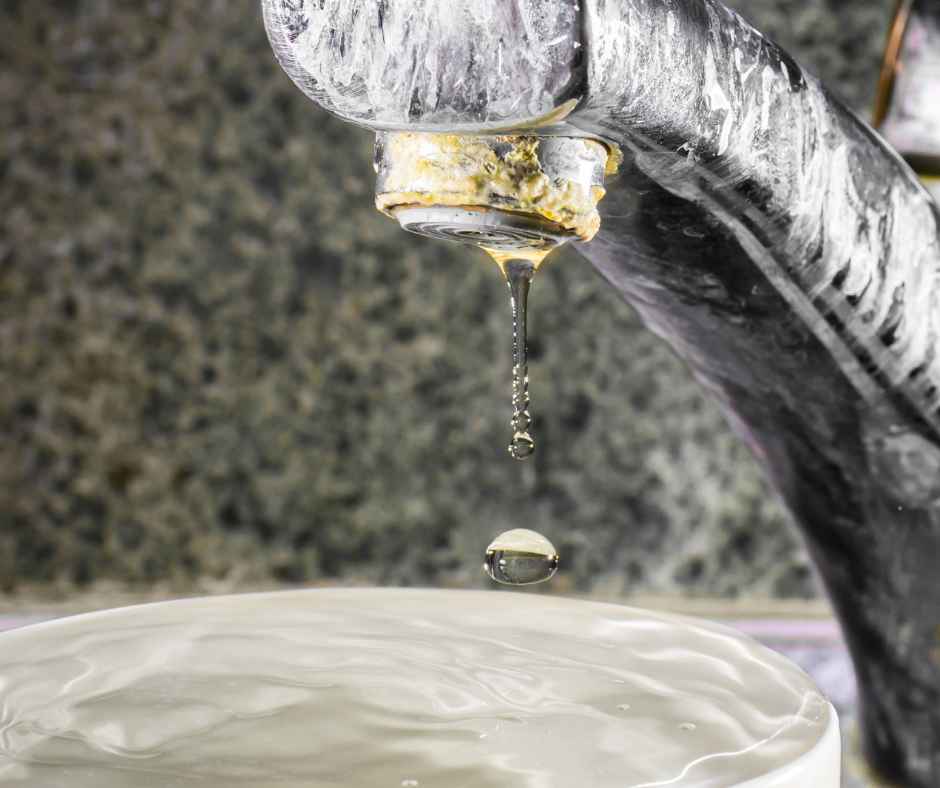
In Missoula, the water is often classified as moderately hard to hard. This is typically measured in grains per gallon or parts per million. When these minerals are suspended in cold water, they remain relatively stable. However, as soon as that water is heated or sits stagnant in your pipes, the minerals undergo a chemical change. They begin to precipitate out of the liquid and bond to the surfaces of your plumbing. This process creates the rock-hard white crust that many locals see on their faucets and showerheads.
How Mineral Scale Destroys Modern Water Heaters
The water heater is often the most vulnerable component in a home when dealing with Missoula hard water. Because heat acts as a catalyst for mineral precipitation, the interior of your water heater becomes a prime location for calcium and magnesium to settle. In traditional tank-style heaters, these minerals sink to the bottom of the tank and form a thick layer of sediment. This layer acts as an unintentional insulator between the burner or heating element and the water it is trying to heat.
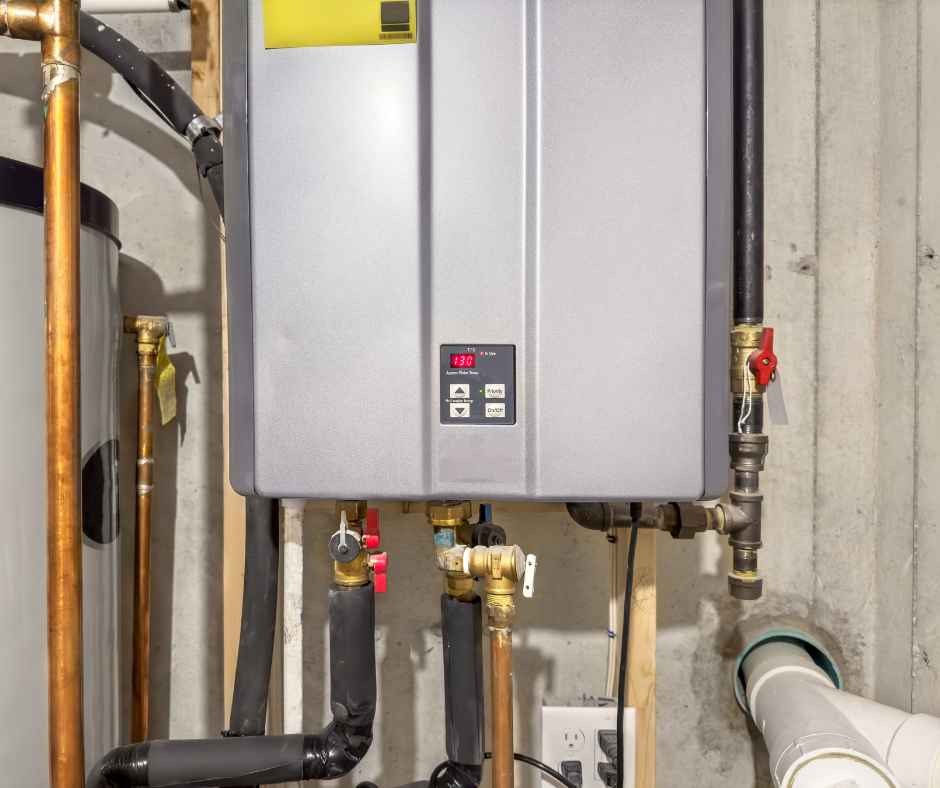
This insulation makes the system work much harder to reach the desired temperature. Over time, the tank bottom’s constant overheating can weaken the steel and lead to a catastrophic failure. For homeowners with tankless water heaters, the problem is even more acute. The narrow heat exchanger passages can quickly become restricted by scale. This restriction reduces water flow, causing the unit to trigger error codes or shut down entirely. To maintain efficiency and prevent a premature replacement, local systems require frequent descaling.
- Increased Energy Bills: As the scale layer thickens, your heater consumes more gas or electricity to penetrate the mineral barrier.
- Audible Popping Noises: That “knocking” sound you hear from your basement is often steam bubbles escaping from beneath a layer of hardened sediment.
- Reduced Hot Water Volume: Significant sediment buildup occupies physical space in the tank, reducing the available hot water for showers.
The Impact on Pipes, Fixtures, and Water Pressure
Hard water does not just stay inside your appliances. It travels through every inch of your home’s piping. Over several years, the accumulation of calcium inside your supply lines can significantly narrow the internal diameter of the pipes. This process is very similar to how plaque builds up in a human artery. As the opening becomes smaller, your home experiences a noticeable drop in water pressure. You might notice that your shower feels less powerful or that it takes much longer to fill a bathtub than it once did.
The aesthetic and functional impact on your fixtures is equally frustrating. Missoula residents often struggle with limescale, the white, chalky residue that forms around faucet bases and inside showerhead nozzles. This buildup is not just an eyesore. It can eventually corrode the finish of your expensive fixtures and clog the tiny holes in your showerhead, leading to uneven spray patterns.
- Pipe Restriction: Mineral deposits can reduce a standard water pipe down to the diameter of a pencil over time.
- Valve Failure: Hard water minerals can damage the internal seals of shutoff valves, making it impossible to turn off the water during a plumbing emergency.
- Aerator Clogs: Small screens in your faucets often catch larger scale flakes, causing sputtering or restricted water flow.
Hard Water and Appliance Lifespans: Beyond the Pipes
The detrimental effects of Missoula’s hard water extend far beyond the visible plumbing infrastructure. Any household appliance that uses water as part of its daily operation is at risk. Dishwashers and washing machines are particularly susceptible to mineral damage because they rely on internal heating elements and complex valve systems to function. When calcium-rich water is heated during a heavy-duty wash cycle, the minerals bond to the heating coils and the drum.
In dishwashers, this buildup appears as a cloudy film on glassware and a white residue on the interior of the tub. This is not just a cleaning issue. The minerals interfere with the chemical reaction in your detergent, reducing its effectiveness at sanitizing your dishes. In washing machines, hard water can cause the internal seals to become brittle and leak. Furthermore, the abrasive nature of the mineral particles can wear down the fibers of your clothing, causing them to look dull and feel stiff.
The financial burden of these issues is significant. Studies have shown that appliances operating in hard water can lose 30-50% of their expected lifespan. Instead of a washing machine lasting twelve years, you may find yourself shopping for a replacement in year seven. By addressing the mineral content of your water, you are not just fixing a plumbing problem. You are making a long-term investment in every water-using appliance in your Missoula home.
Signs Your Missoula Home is Suffering from Hard Water
Many homeowners in our area deal with the effects of hard water without realizing the cause. Because the transition from clean pipes to mineral-clogged systems happens over years rather than days, the symptoms can be easy to ignore. However, there are several “red flags” that indicate your Missoula hard water levels are high enough to warrant a professional solution.
The most common sign is persistent soap scum in your bathtub or shower. Calcium and magnesium react chemically with soap to create a curd-like substance that refuses to dissolve in water. If you find yourself scrubbing your shower tiles more frequently than you should, minerals are likely the culprit. You should also pay attention to the state of your laundry and dishes. Clothes that feel scratchy or look faded after a few washes, and glassware that remains spotted or “milky” even after a rinse cycle, are classic indicators of high mineral content.
- Dry, Itchy Skin and Hair: Hard water prevents soap from rinsing away completely, leaving a residue on your skin and hair that can cause irritation and dryness.
- Frequent Faucet Clogs: If you have to clean your faucet aerators every few months to maintain water flow, your pipes are actively shedding scale.
- Persistent Limescale: Look for white, crusty deposits around the base of your kitchen sink or on your showerhead.
If you notice these signs, it is a clear indication that your plumbing is under constant stress. Identifying these symptoms early can help you avoid the high costs of replacing a water heater or repiping your home.
Protecting Your Home’s Infrastructure
The mineral-rich environment of the Missoula Valley is a double-edged sword. While our water sources are abundant and natural, the resulting hard water in Missoula poses a constant threat to the efficiency and longevity of your plumbing. From the silent accumulation of sediment in your water heater to the visible limescale on your favorite fixtures, minerals are constantly working against your home’s infrastructure. Ignoring these signs can lead to more than minor inconveniences. It leads to higher utility bills, shorter appliance lifespans, and the eventual need for costly pipe replacements.
Protecting your home requires a proactive approach to water quality. Whether you need a comprehensive water softening system or a targeted filtration solution, addressing the mineral content at its source is the only way to stop the cycle of damage.
At Hellgate Plumbing, Heating & Cooling, we are committed to providing Missoula residents with the technical expertise and local knowledge needed to keep their plumbing systems running smoothly for decades to come. To ensure your home is protected from the effects of mineral buildup, contact us today.
Frequently Asked Questions
Is Missoula’s hard water safe to drink if it is damaging my pipes?
Yes, the calcium and magnesium found in our local water are minerals that occur naturally and are generally considered safe, and even healthy, for human consumption. The “damage” is purely mechanical and aesthetic, affecting the flow of water and the integrity of metal and plastic components within your plumbing system.
Can I remove existing scale buildup from my pipes without replacing them?
In some cases, professional descaling solutions and high-pressure flushing can remove significant amounts of buildup from certain types of piping and water heaters. However, once a pipe is severely restricted or corroded by years of mineral accumulation, replacement is often the most cost-effective and permanent solution.
Does Missoula water hardness vary by neighborhood?
While the entire Missoula Valley Aquifer is generally categorized as hard, specific mineral concentrations can vary slightly depending on your proximity to certain recharge zones or the specific depth of the municipal or private well serving your home.
Will a standard carbon pitcher filter fix my hard water problems?
No, standard carbon filters are designed to improve taste by removing chlorine and organic compounds, but they do not remove the dissolved minerals responsible for hardness. To address calcium and magnesium, you typically need an ion-exchange water softener or a specialized scale-inhibiting system.
How often should I drain my water heater if I have hard water?
For homes in Missoula without a water softener, we recommend flushing the water heater tank at least once every six months. This prevents sediment at the bottom from hardening into a solid mass, thereby maintaining heating efficiency and protecting the tank’s inner lining.
Get Assistance Today
Don't Wait... Call Hellgate
Responsive and reliable. Help when you need it most. Hellgate Plumbing, Heating and Cooling has provided residents of Missoula, Lolo, Florence, MT, and beyond with reliable and affordable HVAC and plumbing services for over 40 years.