Stay Protected with our Diamond Club Membership
The Hidden Cost of “Wait and See”: Why Slow Drains in Missoula Homes Lead to Mainline Disasters
Don't Wait...Call Hellgate
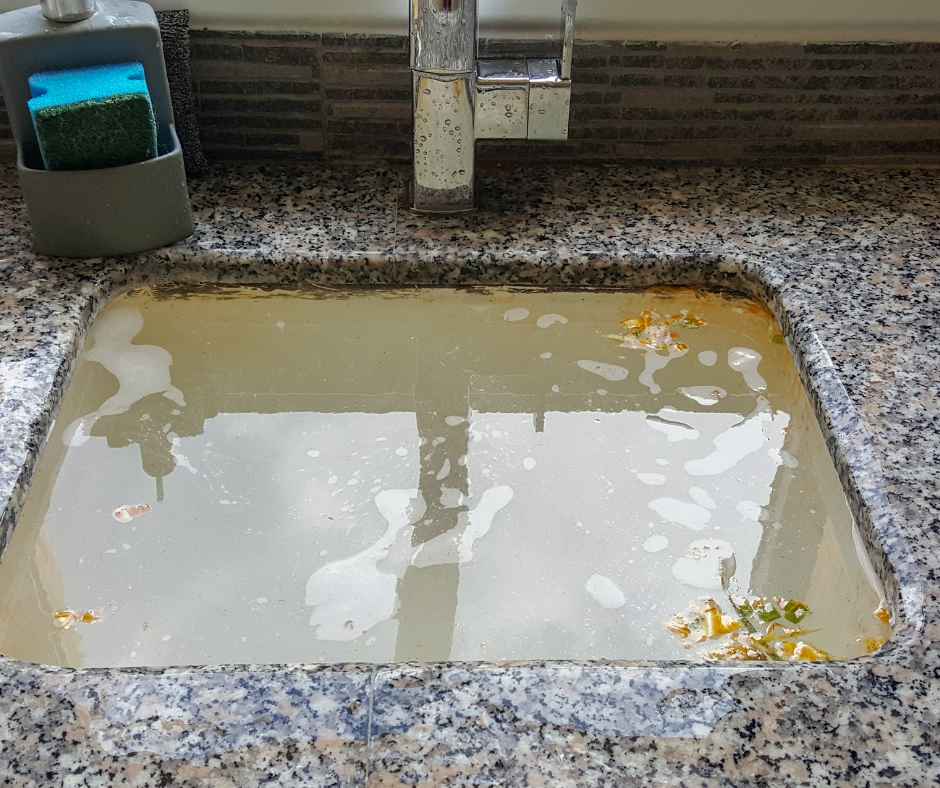
A slow drain is often an early warning sign of a larger problem with the sewer or mainline. In many Missoula homes, waiting too long to address recurring drain issues can lead to sewage backups, pipe damage, emergency repairs, and much higher cleanup costs.
A sink that drains a little slower than usual does not seem like an emergency. Neither does a tub that takes a few extra minutes to empty, nor a toilet that gurgles once in a while. For many homeowners, those small signs are easy to ignore.
That is where the real cost begins.
What looks like a minor inconvenience inside the home can actually be the first visible sign of a blockage, buildup, root intrusion, or damage in the main sewer line. By the time wastewater starts backing up into a basement, tub, or floor drain, the problem is no longer small or affordable.
In this guide, you will learn why slow drains should never be ignored, what they may be telling you about your plumbing system, and how early action can help prevent a mainline disaster in your Missoula home.
Why Is a Slow Drain a Bigger Problem Than It Seems?
A single slow drain does not always indicate a major sewer issue. Sometimes the problem is local, like hair in a bathroom sink or grease buildup in a kitchen line.
But when slow drainage becomes recurring, affects more than one fixture, or is accompanied by gurgling, odors, or backups, it may indicate a restriction deeper in the system. That is when a “wait and see” approach becomes risky.
A drain problem usually gets worse, not better. As the buildup increases or a damaged pipe continues to deteriorate, wastewater has fewer places to go. Pressure in the line builds. Drainage slows further. Eventually, the system may stop moving waste out of the home altogether.
What Does a Slow Drain Usually Mean?
Slow drains can point to several underlying plumbing problems, including:
- Soap, grease, or debris buildup inside the drain line
- Tree root intrusion in the sewer line
- Pipe scale or corrosion narrowing older pipes
- Bellied or sagging sewer lines that trap waste and water
- Pipe cracks or collapses that restrict flow
- Improper flushing habits that create blockages over time
The important thing is this: a slow drain is often not the actual problem. It is the symptom.
When Does a Slow Drain Point to a Mainline Problem?
A mainline sewer problem becomes more likely when you notice more than one sign at the same time.
Common warning signs include:
- Multiple drains slowing down at once
- Toilets that bubble or gurgle
- Water backing up in a tub or shower when another fixture is used
- Sewage odors coming from drains
- Frequent clogs that keep coming back
- Basement floor drain backups
- Water or waste appearing in the lowest drains first
When several fixtures are affected, the issue is often beyond one sink or tub drain. That usually means the blockage or damage is somewhere in the main drain or sewer line.
Why Do Homeowners Wait Too Long?
Most plumbing disasters do not start with a dramatic event. They start with a small, easy-to-ignore symptom.
Homeowners often wait because:
- The drain still works, just slowly
- The problem seems inconsistent
- Store-bought drain cleaners appear to help for a short time
- They assume it is isolated to one fixture
- They want to avoid the cost of a service call
Unfortunately, the delay often leads to a much larger bill later. A minor drainage issue that could have been diagnosed early may turn into an emergency mainline repair, water damage cleanup, or sewage remediation.
What Are the Hidden Costs of “Wait and See”?
The biggest mistake with slow drains is assuming the cost of doing nothing is zero. In reality, the delay often makes the repair more disruptive and expensive.
Here are some of the most common hidden costs.
Emergency Plumbing Calls
Once a mainline backup happens, the problem usually cannot wait. Emergency service is often needed right away, especially if sewage is backing up into tubs, toilets, or lower-level drains.
Emergency calls are stressful, inconvenient, and often more expensive than addressing the issue during normal service hours.
Water and Sewage Cleanup
A backed-up sewer line can allow contaminated water to enter the home. That cleanup may involve flooring, drywall, trim, stored belongings, and affected surfaces.
Even a relatively small backup can create a major mess, especially in basements, laundry areas, and lower bathrooms.
Property Damage
Standing water and sewage can damage:
- Flooring
- Baseboards
- Drywall
- Cabinets
- Personal belongings
- Finished basement areas
The longer wastewater sits, the greater the damage and the more extensive the restoration process may become.
Bigger Repair Bills
A partial blockage is often easier to remove than a fully backed-up or damaged line. If roots continue growing into the pipe or corrosion continues to narrow the interior, the plumbing system becomes harder to restore.
What could have been a cleaning or early repair may later require excavation, pipe replacement, or more extensive sewer work.
Health and Sanitation Risks
Wastewater backups are not just unpleasant. They can create serious sanitation concerns inside the home. Sewage exposure, lingering odors, moisture, and contamination all create an unhealthy living environment that should be addressed immediately.
Lost Time and Disruption
A mainline plumbing problem can take bathrooms, sinks, tubs, and laundry use out of service. That disruption affects the entire household and often arrives at the worst possible time.
Why Are Mainline Problems Commonly Missed?
Main sewer lines are out of sight, which makes them easy to forget until something goes wrong. Unlike a dripping faucet or leaking toilet, a mainline issue develops below the surface and usually reveals itself indirectly through slow drains, recurring clogs, or backups.
In many homes, especially those with aging plumbing or mature trees nearby, the sewer line can develop problems gradually over time. Because the symptoms develop slowly, homeowners often adjust to them rather than recognizing them as warning signs.
Can Chemical Drain Cleaners Fix the Problem?
Chemical drain cleaners may seem like a quick fix, but they rarely resolve a mainline issue. In some cases, they only punch through part of a blockage or provide temporary drainage without removing the real cause.
They can also create other problems by:
- Repeatedly exposing pipes to harsh chemicals
- Failing to remove roots or heavy buildup
- Making professional service more difficult and hazardous
- Giving a false sense of security while the blockage gets worse
If a slow drain keeps returning, the problem needs diagnosis, not another bottle of drain cleaner.
How Can a Plumber Find the Real Cause?
When slow drains point to a larger issue, professional diagnosis is the safest way to find out what is happening in the line.
Depending on the symptoms, a plumber may recommend:
- Drain clearing to remove the blockage
- Camera inspection to locate the exact problem
- Evaluation of pipe condition
- Identification of root intrusion, breaks, corrosion, or sagging sections
- Recommendations for repair, cleaning, or replacement
The goal is not just to temporarily restore flow. It is to identify why the drain slowed down in the first place and prevent the problem from returning.
What Should Missoula Homeowners Watch For?
If you notice any of the following, it is time to take slow drains seriously:
- A sink, tub, or shower that drains slowly more than once
- Gurgling sounds from toilets or drains
- Water backing up when another fixture is used
- Repeated clogs in different areas of the home
- Drain odors that do not go away
- A basement drain that starts holding water
- Plumbing issues that seem worse after heavy use
These signs often appear before a full sewer backup occurs. Acting early is usually the most affordable option.
What Can You Do to Help Prevent Mainline Disasters?
Not every sewer problem is preventable, but homeowners can reduce risk by taking drainage issues seriously and avoiding habits that contribute to blockages.
Helpful prevention steps include:
- Address slow drains early
- Avoid pouring grease down kitchen drains
- Do not flush wipes, paper towels, or hygiene products
- Pay attention to recurring clogs
- Schedule a professional drain evaluation when symptoms repeat
- Ask about camera inspections if mainline issues are suspected
- Keep tree root activity in mind if older lines run near landscaping
The earlier a developing sewer issue is identified, the better your chances of avoiding a costly emergency.
Quick Summary: Why Slow Drains Should Never Be Ignored
Here is the simple version:
- A slow drain is often an early warning sign
- Recurring drainage issues may point to a main sewer line problem
- Waiting can lead to backups, water damage, and higher repair costs
- Chemical cleaners rarely solve deeper sewer issues
- Professional diagnosis can catch the problem before it becomes an emergency
Don’t Wait for a Backup to Tell You There’s a Problem
“Wait and see” feels cheaper in the moment, but it often becomes the most expensive choice. Slow drains are your plumbing system’s early warning signal. Ignoring them can turn a manageable issue into a major sewer backup, costly cleanup, and avoidable damage to your home.
If your drains are slow, recurring, or affecting multiple fixtures, Hellgate Plumbing, Heating & Cooling can help. Our team can inspect the problem, identify whether a mainline issue is developing, and recommend the right solution before a small warning sign turns into a plumbing disaster. Contact Hellgate Plumbing, Heating & Cooling today to schedule a drain inspection.
Get Assistance Today
Don't Wait... Call Hellgate
Responsive and reliable. Help when you need it most. Hellgate Plumbing, Heating and Cooling has provided residents of Missoula, Lolo, Florence, MT, and beyond with reliable and affordable HVAC and plumbing services for over 40 years.