Stay Protected with our Diamond Club Membership
Boiler vs. Furnace: Choosing the Most Efficient Heating System for Western Montana Homes
Don't Wait...Call Hellgate
For many Western Montana homes, the most efficient heating system depends on the home’s layout, existing equipment, fuel source, insulation, and comfort goals. Furnaces heat air quickly and work well with ductwork, while boilers provide steady radiant heat that can feel more even during long, cold Montana winters.
Choosing between a boiler and a furnace is a big decision for Western Montana homeowners. With long heating seasons, freezing temperatures, mountain weather, and wide temperature swings, your heating system needs to be efficient, reliable, and properly matched to your home.
A furnace and a boiler can both keep your home warm, but they do it in very different ways. A furnace heats air and pushes it through ducts. A boiler heats water and sends that warmth through radiators, baseboards, or radiant floor systems. The right choice depends on how your home is built, how you prefer heat to feel, and what type of system is already in place.
In this guide, we’ll explain the difference between boilers and furnaces, which system may be more efficient, how each performs in Western Montana homes, and when to call Hellgate Plumbing, Heating & Cooling for professional heating guidance.
What Is the Difference Between a Boiler and a Furnace?
The main difference between a boiler and a furnace is how each system delivers heat.
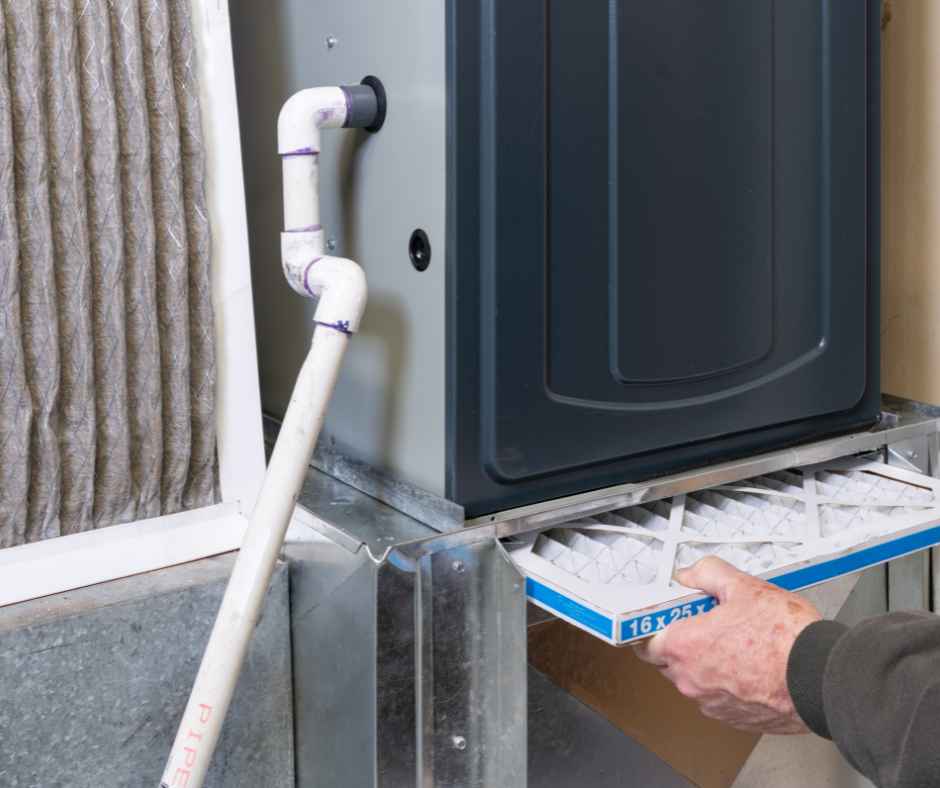
A furnace heats air. Once the air is warmed, a blower moves it through ductwork and vents it into each room. This is called forced-air heating.
A boiler heats water. That hot water moves through pipes to radiators, baseboard heaters, or radiant floor tubing. This is called hydronic heating.
A furnace may be a better fit if your home:
- Already has ductwork
- Uses central air conditioning
- Needs fast temperature recovery
- Has a forced-air heating system now
- Needs a more straightforward replacement
- Has limited space for hydronic equipment
A boiler may be a better fit if your home:
- Already has radiators or baseboard heat
- Uses radiant floor heating
- Needs quiet, even heat
- Has rooms that feel drafty with forced air
- Does not need ductwork for cooling
- Prioritizes comfort during long winter weather
Neither system is automatically better for every home. The best choice depends on the house, the existing setup, and your heating priorities.
Which Heating System Is More Efficient: Boiler or Furnace?
A boiler can be very efficient, especially when paired with radiant heat or properly designed hydronic zones. A high-efficiency furnace can also perform extremely well when it is correctly sized, installed, and maintained.
Efficiency depends on several factors:
- System age
- AFUE rating
- Fuel type
- Equipment sizing
- Duct or pipe condition
- Insulation levels
- Air leaks in the home
- Thermostat settings
- Maintenance history
- Installation quality
A boiler may lose less heat through air leakage because it does not rely on ductwork. A furnace may lose efficiency if ducts are leaky, poorly insulated, or located in cold spaces. However, a modern, high-efficiency furnace can still be an excellent option for many homes in Western Montana.
If you are comparing a 20-year-old boiler to a new high-efficiency furnace, the furnace may be more efficient. If you are comparing a properly designed high-efficiency boiler system to an older forced-air setup with duct losses, the boiler may be the stronger choice.
How Do Boilers Perform During Montana Winters?
Boilers are known for steady, even heat. Instead of pushing warm air into rooms in cycles, a boiler gradually warms surfaces through radiators, baseboards, or floors. This can create a comfortable indoor feel during long cold stretches.
Boilers can be a strong choice for Western Montana homes because they:
- Provide even, consistent warmth
- Operate quietly
- Reduce forced-air drafts
- Work well with radiant floor systems
- Can support zoning in different areas
- Help maintain comfort during extended cold weather
- Do not blow dust through ductwork
Many homeowners like the way boiler heat feels because it is less drafty than forced air. Radiant heat can also make floors and lower areas of the home feel warmer, which is helpful during cold mornings and winter nights.
However, boilers may not be the best choice for every home. Installation can be more involved if the home does not already have hydronic piping, radiators, or radiant floors.
How Do Furnaces Perform During Montana Winters?
Furnaces are common because they heat quickly and work well in homes with ductwork. When the thermostat calls for heat, the furnace warms the air and distributes it through vents. This can raise indoor temperatures faster than many boiler systems.
Furnaces can be a strong choice for Western Montana homes because they:
- Heat rooms quickly
- Work with existing ductwork
- Can share ducts with central air conditioning
- Are familiar to many homeowners
- Offer efficient modern replacement options
- Can be easier to install in forced-air homes
- Support whole-home filtration and humidification
A furnace may be the better option if your home already has ducts and you want a simpler replacement. It may also make sense if indoor air quality upgrades, air filtration, or central cooling are priorities.
The main concern with forced-air heating is the performance of the ductwork. If ducts leak, run through cold spaces, or are poorly balanced, comfort and efficiency can suffer. Rooms may feel uneven, drafty, or harder to heat.
Is a Boiler or Furnace Better for Older Western Montana Homes?
Older homes in Western Montana often have unique heating challenges. Some have older radiators or baseboard systems. Others have ductwork added later or rooms that are hard to heat evenly.
A boiler may be a good fit for an older home if:
- The home already has radiators
- Existing hydronic piping is in good condition
- The home has limited duct space
- Rooms feel drafty with forced air
- Even heat is a top priority
- The homeowner wants radiant comfort
A furnace may be a good fit for an older home if:
- The home already has usable ductwork
- The current forced-air system is working well
- Central air conditioning is desired
- The home needs faster heating response
- Budget is a major factor
- Duct repairs or sealing can improve performance
For older homes, the right answer often starts with the existing infrastructure. Keeping and upgrading a well-designed system can be more practical than switching to a completely different heating method.
Which System Offers Better Indoor Comfort?
Comfort is one of the biggest differences between boilers and furnaces.
Boiler heat often feels more consistent because it warms surfaces instead of moving air. Furnace heat can feel faster and more responsive because warm air enters the room through vents.
A boiler may feel more comfortable if you want:
- Steady warmth
- Fewer drafts
- Quiet operation
- Warm floors
- Zoned heating
- Less air movement
- More even room temperatures
A furnace may feel more comfortable if you want:
- Quick heating
- Strong airflow
- Central air compatibility
- Whole-home filtration
- Humidity control options
- Familiar thermostat response
- Easier integration with ducted systems
Comfort is personal. Some homeowners prefer the quiet, even feel of radiant heat. Others prefer the quick response and airflow of a furnace.
Which System Is Easier to Maintain?
Both boilers and furnaces need regular maintenance to operate safely and efficiently.
A furnace maintenance visit may include:
- Inspecting burners
- Checking the heat exchanger
- Replacing or cleaning the air filter
- Testing ignition
- Inspecting the blower motor
- Checking gas pressure
- Inspecting venting
- Testing safety controls
A boiler maintenance visit may include:
- Checking water pressure
- Inspecting pumps and valves
- Testing safety controls
- Checking expansion tank performance
- Inspecting burners
- Looking for leaks
- Removing air from the system if needed
- Checking venting and combustion
Furnaces usually require more frequent filter attention because they move air through the home. Boilers do not have furnace filters, but they still need professional service to check water pressure, controls, pumps, and system safety.
Should You Replace Your Current System With the Same Type?
In many cases, replacing your current heating system with the same type is the most practical option. If your home already has ductwork, a new high-efficiency furnace may be the most cost-effective upgrade. If your home already has hydronic piping, a new boiler may be the smarter path.
Staying with the same system type may make sense if:
- The home’s current distribution system is in good condition
- You are happy with the way the home heats
- The installation will be less disruptive
- The budget is focused on efficiency, not redesign
- The existing fuel source works well
- The home does not need major comfort changes
Switching system types may make sense if:
- The current system performs poorly
- Ductwork or piping is failing
- You are remodeling the home
- Comfort problems are ongoing
- You want radiant floor heating
- You want to add or remove ductwork
- The home’s heating needs have changed
Before switching from a furnace to a boiler, or from a boiler to a furnace, it is important to understand the full installation requirements. A new heat source is only one part of the system. The way heat moves through the home matters just as much.
How Can Western Montana Homeowners Choose the Right Heating System?
The best heating system is the one that matches your home, budget, comfort needs, and long-term efficiency goals.
Before choosing between a boiler and a furnace, consider:
- Do you already have ductwork?
- Do you already have radiators or baseboards?
- Are some rooms harder to heat than others?
- Do you want central air conditioning?
- Is indoor air filtration important?
- Do you prefer steady radiant heat?
- Do you want fast temperature changes?
- Is your current system reliable?
- Are you planning a remodel?
- How well is your home insulated?
- What fuel source is available?
- How long do you plan to stay in the home?
A professional heating evaluation can help identify whether the problem is the equipment itself or another issue, such as poor insulation, duct leakage, airflow imbalance, aging radiators, or improper sizing.
Choose the Heating System That Fits Your Western Montana Home
For Western Montana homeowners, the choice between a boiler and a furnace comes down to comfort, efficiency, existing equipment, and how your home is built. Boilers can provide quiet, steady, radiant warmth, while furnaces can deliver fast forced-air heat and work well with ducted systems.
If your current heating system is aging, inefficient, noisy, or struggling to keep your home comfortable, Hellgate Plumbing, Heating & Cooling can help you compare your options. Schedule service today to find out whether a boiler, furnace, or system upgrade is the best fit for your Western Montana home.
Get Assistance Today
Don't Wait... Call Hellgate
Responsive and reliable. Help when you need it most. Hellgate Plumbing, Heating and Cooling has provided residents of Missoula, Lolo, Florence, MT, and beyond with reliable and affordable HVAC and plumbing services for over 40 years.