Stay Protected with our Diamond Club Membership
Missoula Water Hardness vs. Your Water Heater: A Survival Guide
Don't Wait...Call Hellgate
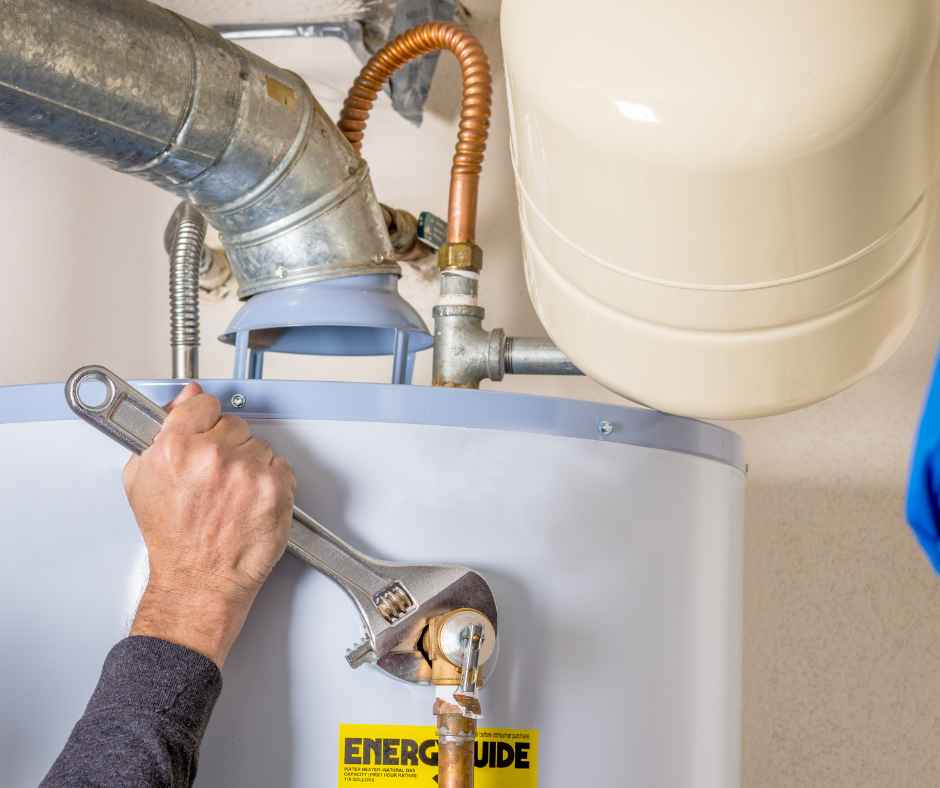
Missoula’s water hardness can shorten the life of your water heater by allowing minerals to settle in the tank or build up in tankless components. Homeowners can protect their water heaters by flushing the system regularly, watching for sediment warning signs, scheduling maintenance, and considering water treatment when mineral buildup becomes a recurring problem.
Hot water should be dependable. When your water heater starts rumbling, runs out of hot water too quickly, or needs frequent repairs, the problem may not be the unit alone. In many homes, mineral-heavy water can quietly wear down the system from the inside.
In this guide, we will explain how Missoula water hardness affects your water heater, what signs homeowners should watch for, and how Hellgate Plumbing, Heating & Cooling can help protect your home’s hot water system.
Why Water Hardness Matters for Missoula Homeowners
Hard water contains dissolved minerals, mainly calcium and magnesium. These minerals are not always visible when water comes out of the tap, but they can leave deposits as water heats, evaporates, or sits in plumbing.
Your water heater is especially vulnerable because heat encourages minerals to separate from the water. In a traditional tank water heater, those minerals settle at the bottom. In a tankless water heater, they can collect inside narrow waterways and heat exchanger components.
Over time, water hardness can contribute to:
- Sediment buildup inside the tank
- Popping, rumbling, or crackling sounds
- Reduced hot water capacity
- Longer heating times
- Higher energy use
- Clogged valves and fixtures
- Lower hot water pressure
- More frequent repairs
- Shorter water heater lifespan
Hard water does not usually destroy a water heater overnight. The damage builds slowly, which is why many homeowners do not connect their hot water problems to mineral buildup until the system is already struggling.
How Hard Water Damages a Tank Water Heater
A tank water heater stores and heats a set amount of water. When hard water enters the tank, minerals can settle as sediment at the bottom. The more the water is heated, the more likely minerals are to collect.
That sediment layer creates several problems.
First, it reduces efficiency. The burner or heating element has to heat through the mineral layer before it can heat the water. That means the system works harder to do the same job.
Second, sediment takes up space inside the tank. If enough buildup collects, your water heater may hold less usable hot water than it did when it was new.
Third, sediment can overheat the tank bottom. That extra stress may weaken the tank over time and increase the risk of leaks or early failure.
Signs of sediment buildup include:
- Popping or rumbling noises from the tank
- Hot water that runs out faster than normal
- Water that takes longer to heat
- Higher utility bills
- Cloudy or discolored hot water
- Fluctuating water temperatures
- Reduced hot water pressure
- Frequent repairs or service calls
A noisy water heater should not be ignored. It may still be working, but the sounds can be a warning that the tank is under stress.
How Hard Water Affects Tankless Water Heaters
Tankless water heaters do not store hot water in a tank, but they are still affected by hard water. Instead of sediment settling at the bottom, mineral scale can build up inside the heat exchanger and internal passages.
Because tankless systems have smaller water pathways, scale buildup can cause performance problems sooner than homeowners expect.
Hard water can cause a tankless water heater to:
- Lose heating efficiency
- Deliver inconsistent water temperatures
- Show error codes
- Reduce water flow
- Require more frequent flushing
- Overwork internal components
- Shorten system lifespan
Tankless water heaters need regular descaling, especially in homes with hard water. Skipping maintenance can lead to expensive repairs and reduced performance.
Warning Signs Your Water Heater Is Losing the Hard Water Battle
Hard water problems often look like ordinary water heater issues. The difference is that they tend to return repeatedly if mineral buildup is not addressed.
Watch for these warning signs:
- Your water heater makes popping, crackling, or banging sounds
- Hot water runs out sooner than it used to
- You need to turn the temperature higher to get the same comfort
- Hot water pressure is weaker than cold water pressure
- Faucets and showerheads clog with white buildup
- The water heater needs repeated repairs
- Tankless units show scale-related error codes
- Utility bills rise without another clear reason
- Hot water smells metallic or looks cloudy
- The unit is aging faster than expected
One symptom may not prove that hard water is the cause. Several symptoms together make mineral buildup more likely.
Why Flushing Your Water Heater Matters
Flushing a water heater helps remove sediment from the tank before it hardens and becomes harder to clear. It is one of the most important maintenance steps for homes with hard water.
Regular flushing can help:
- Improve heating efficiency
- Reduce tank noise
- Restore some hot water capacity
- Lower strain on the system
- Remove loose sediment
- Extend equipment life
- Reduce the risk of premature failure
For many homes, annual flushing is a good starting point. Homes with hard water, high hot-water use, or older systems may need service more often. A plumber can inspect the water heater and recommend a maintenance schedule based on its condition.
Homeowners should be cautious about flushing a very old water heater that has not been maintained for years. In some cases, sediment may be helping seal weak spots in a deteriorated tank. A professional inspection is the safer first step.
When Water Heater Maintenance Is Not Enough
Maintenance can do a lot, but it cannot reverse every problem. If mineral buildup has already damaged components, clogged passages, or weakened the tank, repair or replacement may be necessary.
Maintenance may not be enough if:
- The tank is leaking
- The water heater is over 10 years old
- Noise returns soon after flushing
- The tank produces rusty water
- Hot water capacity keeps dropping
- Repairs are becoming frequent
- A tankless unit repeatedly shuts down
- Scale has damaged internal components
- The system cannot keep up with household demand
At that point, Hellgate Plumbing, Heating & Cooling can help determine whether repair, replacement, or water treatment is the best path forward.
Should You Install a Water Softener?
A water softener can reduce the minerals that cause scale buildup. For homeowners dealing with hard water damage, it may be one of the best ways to protect plumbing fixtures, water heaters, and water-using appliances.
A water softener may be worth considering if you notice:
- White crust around faucets
- Spots on dishes and glassware
- Dry skin or hair after showers
- Soap that does not lather well
- Stiff laundry
- Frequent water heater sediment problems
- Repeated tankless descaling needs
- Shortened appliance lifespan
- Scale inside showerheads and aerators
A softener will not repair an already damaged water heater, but it can help reduce future mineral buildup. If you are replacing a water heater, that can be an ideal time to discuss water treatment so the new system is better protected from the start.
Tank vs. Tankless in Hard Water Conditions
If your current water heater is near the end of its life, you may be comparing tank and tankless options. Both can work well, but hard water changes the maintenance conversation.
A tank water heater may be a good fit if you want:
- Lower upfront cost
- A familiar system
- Stored hot water
- Straightforward replacement
- Easier service access in many homes
A tankless water heater may be a good fit if you want:
- Hot water on demand
- Space savings
- Better long-term efficiency potential
- Longer equipment life with proper maintenance
- Less standby heat loss
In hard water conditions, both systems need maintenance. Tank systems need to be flushed to remove sediment. Tankless systems need descaling to reduce scale buildup. The right choice depends on your home, budget, hot water needs, fuel source, and willingness to keep up with maintenance.
How to Help Your Water Heater Last Longer
Homeowners can take simple steps to reduce hard water stress and extend water heater life.
Helpful habits include:
- Schedule routine water heater maintenance
- Flush tank water heaters as recommended
- Descale tankless systems regularly
- Clean faucet aerators and showerheads
- Watch for changes in water temperature
- Do not ignore popping or rumbling noises
- Repair leaks quickly
- Ask about water treatment options
- Replace aging units before they fail
- Keep the area around the water heater clear
- Know where the shutoff valve is located
A few minutes of attention can help prevent bigger problems later. Water heaters often give warning signs before they fail, especially when mineral buildup is involved.
When to Call a Professional
Water heaters involve hot water, pressure, gas or electrical connections, valves, and venting. Some basic visual checks are fine, but repair, flushing, descaling, and replacement are best handled by trained professionals.
Call Hellgate Plumbing, Heating & Cooling if you notice:
- No hot water
- Inconsistent hot water
- A noisy water heater
- Water around the tank
- Rusty or cloudy hot water
- Weak hot water pressure
- Frequent reset or error codes
- A tankless unit that needs repeated service
- A water heater over 10 years old
- Visible corrosion on the tank or fittings
A professional can inspect the system, check for sediment or scale-related symptoms, evaluate the unit’s age and condition, and recommend the most practical solution.
Why Local Help Matters
Missoula homeowners need service recommendations that fit local water conditions, home layouts, and seasonal demands. A water heater that works hard in cold weather, with high household use and mineral-heavy water, needs the right maintenance plan.
Hellgate Plumbing, Heating & Cooling can help with:
- Water heater maintenance
- Water heater repair
- Water heater replacement
- Tankless water heater service
- Plumbing inspections
- Water quality concerns
- Fixture and valve issues
- Hot water performance problems
The goal is to help your water heater withstand Missoula’s water hardness rather than letting mineral buildup shorten its lifespan.
Call Hellgate for Water Heater Help
Call Hellgate Plumbing, Heating & Cooling if your water heater is noisy, losing capacity, producing inconsistent hot water, showing signs of scale, or needing frequent repairs. These symptoms may mean Missoula water hardness is affecting the system from the inside.
Hard water may be common, but water heater damage does not have to be. With regular flushing, proper descaling, professional maintenance, and the right water treatment options, homeowners can protect their hot water systems and avoid premature replacement. Contact Hellgate Plumbing, Heating & Cooling today to schedule water heater service and keep your home’s hot water running reliably.
Get Assistance Today
Don't Wait... Call Hellgate
Responsive and reliable. Help when you need it most. Hellgate Plumbing, Heating and Cooling has provided residents of Missoula, Lolo, Florence, MT, and beyond with reliable and affordable HVAC and plumbing services for over 40 years.