Stay Protected with our Diamond Club Membership
High Energy Bills in Missoula? How Your HVAC System Could Be the Culprit
Don't Wait...Call Hellgate
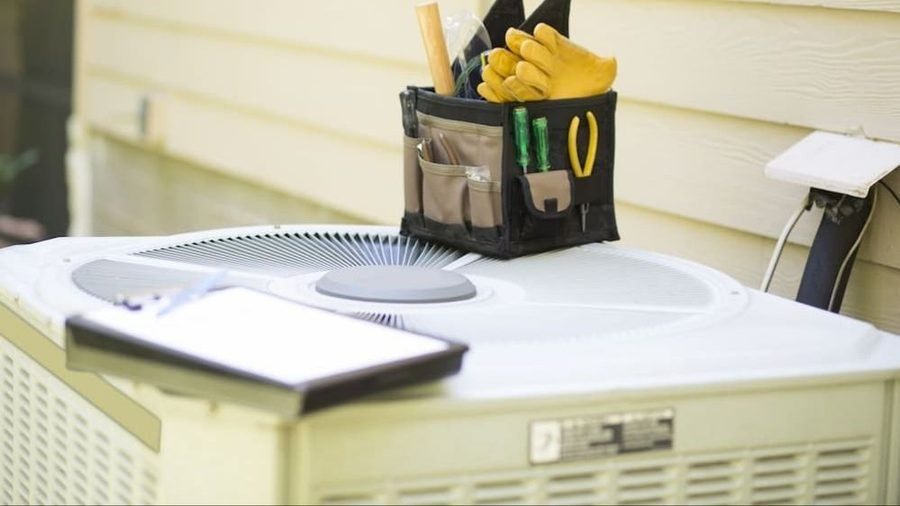
A higher energy bill does not automatically mean your furnace or air conditioner is failing, but HVAC problems can absolutely drive up household energy use. Restricted airflow, dirty components, leaking ducts, thermostat issues, and aging equipment can all make a system run longer than necessary.
In this guide, you will learn how your HVAC system may be contributing to high energy bills in Missoula, which warning signs point toward an efficiency problem, and when repair or replacement may make sense. The goal is to identify the actual cause before another expensive utility bill arrives.
Can Your HVAC System Be Responsible for Higher Energy Bills?
Yes. Heating and cooling equipment can use more energy when it has to run longer, cycle inefficiently, or overcome airflow and comfort problems elsewhere in the home.
Common HVAC-related causes include:
-
Dirty air filters
-
Restricted airflow
-
Dirty coils
-
Blower problems
-
Leaky ductwork
-
Thermostat issues
-
Aging equipment
-
Poor maintenance
-
Mechanical problems that reduce performance
At the same time, a higher dollar amount on the bill does not prove that the HVAC system is responsible. Colder weather, hotter weather, changing utility rates, insulation problems, and household habits can also increase costs.
The strongest clue is usually a change in both energy use and system behavior.
Why Is Your Furnace or AC Running Longer Than It Used To?
Longer runtime can be one of the first signs that the HVAC system is working harder to maintain the same indoor temperature.
During especially cold Missoula weather, longer heating cycles may be completely normal. The furnace or heat pump simply has a larger temperature difference to overcome.
The concern is when runtime changes noticeably without a clear weather explanation.
Possible reasons include:
-
A clogged filter
-
Weak airflow
-
Dirty heating or cooling components
-
Duct leakage
-
Blower problems
-
Thermostat issues
-
Declining equipment performance
-
Heat loss from the home
If your system used to satisfy the thermostat comfortably and now seems to run almost continuously, that change deserves attention.
Longer operation does not always mean replacement is necessary. Many of the underlying causes can be corrected with maintenance or repair.
Can a Dirty Filter or Poor Airflow Increase Energy Use?
Yes. Your HVAC system needs enough airflow to move heated or cooled air throughout the home.
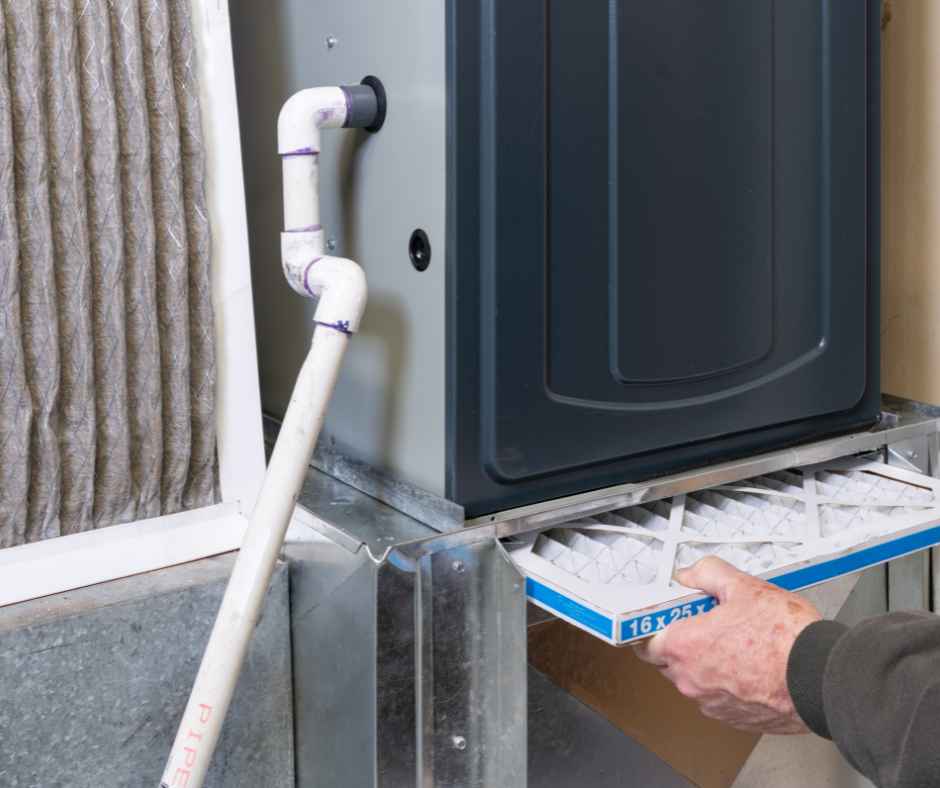
A dirty filter can restrict that airflow. When less air moves through the system, the equipment may have to operate longer to reach the thermostat setting.
Other airflow problems can include:
-
Dirty coils
-
Closed or blocked vents
-
Blower problems
-
Restricted ductwork
-
Return-air problems
-
Leaky ducts
Homeowners sometimes assume that using the most restrictive filter available is automatically better. That is not always true. The filter needs to be appropriate for the HVAC system and installed correctly.
If airflow feels noticeably weaker than it used to, especially at several vents, it is worth having the system checked.
An HVAC system can be running without actually delivering conditioned air efficiently.
Does Skipping HVAC Maintenance Lead to Higher Bills?
It can. Routine HVAC maintenance helps identify conditions that may gradually reduce efficiency, such as dirty components, airflow problems, worn parts, and developing mechanical issues.
Maintenance may include checking:
-
Filter condition
-
Blower operation
-
Electrical components
-
Coils
-
Refrigerant operation on cooling systems
-
Combustion-related components on applicable heating systems
-
Thermostat performance
-
General system condition
A tune-up should not be treated as a guaranteed way to lower every utility bill. If the system is already operating properly, there may be no dramatic change in energy use.
The value is in keeping small problems from developing into larger ones and making sure the equipment is operating as intended.
That can be especially important in Missoula, where heating equipment may operate heavily for long stretches during winter.
Could Your Thermostat Be Making the System Work Harder?
Yes. Sometimes the HVAC equipment is using more energy because it is doing exactly what the thermostat is telling it to do.
A change in thermostat settings can have a noticeable effect on heating or cooling demand.
Potential issues include:
-
Higher winter temperature settings
-
Lower summer temperature settings
-
Frequent manual adjustments
-
Poor scheduling
-
Inaccurate temperature readings
-
Thermostat placement in an unrepresentative area
-
Control problems that cause excessive cycling
For example, raising the heating setpoint several degrees during a cold stretch can increase furnace runtime even if nothing is mechanically wrong. Before assuming the equipment is inefficient, compare current thermostat habits with the previous season. If the thermostat reading does not seem to match how the home actually feels, it may also need evaluation.
Are Leaky Ducts Wasting Heated or Cooled Air?
They can. Your HVAC equipment may generate conditioned air correctly, but that does not help much if a significant portion of it never reaches the rooms where you need it.
Duct leakage can contribute to:
-
Uneven temperatures
-
Weak airflow
-
Long HVAC cycles
-
Hot or cold rooms
-
Increased energy use
-
Reduced comfort
A disconnected, damaged, or poorly sealed section of ductwork can allow heated air to escape before reaching the living space.
This is why replacing the furnace or air conditioner does not automatically solve every efficiency problem.
If the duct system is losing air, a new high-efficiency unit may still struggle to deliver the expected comfort.
The HVAC system and ductwork should be evaluated together.
When Does an Older HVAC System Start Costing More to Operate?
There is no single age when every furnace or air conditioner suddenly becomes inefficient.
Age matters because components wear over time, but condition and maintenance history matter too.
An older system may become more expensive to operate when:
-
It runs longer than before
-
Repairs are becoming frequent
-
Airflow has declined
-
Major components are wearing out
-
Heating or cooling performance has dropped
-
Energy use is rising
-
The system struggles to maintain temperature
An older unit that still performs properly may remain serviceable. A system of the same age with repeated breakdowns and worsening efficiency deserves a different evaluation.
Age becomes most useful when combined with repair history, comfort, and operating cost.
The better question is not simply, “How old is my HVAC system?” It is, “How well is it still performing for the energy it uses?”
What If the HVAC System Is Not the Only Problem?
This is an important possibility. High energy bills can come from many sources outside the HVAC equipment itself.
Other causes may include:
-
Colder winter temperatures
-
Hotter summer conditions
-
Utility-rate changes
-
Poor insulation
-
Air leaks around doors and windows
-
More people living in the home
-
More time spent at home
-
New appliances
-
Changes in thermostat habits
A higher bill does not always mean higher energy consumption. If electricity or gas rates have increased, the total cost may rise even when household usage stays similar.
Whenever possible, compare actual energy consumption with the same period from a previous year instead of looking only at the dollar amount.
If usage has increased and the HVAC system is also running longer or performing worse, the connection becomes more likely.
What HVAC Symptoms Should You Look for Alongside a High Bill?
A higher bill becomes more suspicious when it appears with noticeable changes in system performance.
Watch for:
-
Longer-than-normal runtime
-
Weak airflow
-
Uneven temperatures
-
Trouble reaching the thermostat setting
-
Frequent cycling
-
Unusual noises
-
Repeated repairs
-
Sudden changes in heating or cooling performance
-
Rooms that are consistently uncomfortable
One symptom may have a simple explanation. Several symptoms appearing together are more meaningful.
For example, an unusually cold month may explain a higher heating bill. A higher bill combined with weak airflow, constant furnace operation, and rooms that still feel cold suggests the system deserves a closer look.
Can an HVAC Repair Lower Energy Use, or Is Replacement Smarter?
Sometimes a repair can restore normal efficiency.
Repair may make sense when:
-
The problem is isolated
-
The system is otherwise reliable
-
Airflow can be corrected
-
The thermostat or controls can be repaired
-
The equipment is still in reasonable condition
-
Repair costs remain manageable
Replacement deserves stronger consideration when:
-
The system is older
-
Repairs are becoming frequent
-
Major components are deteriorating
-
Energy use continues increasing
-
Comfort is getting worse
-
The equipment no longer meets the household’s needs
Replacing equipment should not be the first response to every high energy bill. A dirty filter, duct leak, thermostat problem, or blower issue may be much less expensive to correct than installing an entirely new system. The right decision starts with diagnosis.
What Should an HVAC Technician Check When Your Bills Spike?
A professional evaluation should look beyond the utility bill itself.
The technician may inspect:
-
Filter condition
-
Airflow
-
Blower performance
-
Furnace or AC operation
-
Coils
-
Thermostat operation
-
Duct condition
-
System cycling
-
Electrical components
-
Equipment age
-
Repair history
-
Overall heating and cooling performance
The goal is to identify whether the system is actually consuming more energy because of a mechanical or airflow problem.
If replacement is recommended, ask what specific conditions support that recommendation. If repair is recommended, ask whether the work is expected to restore normal performance and reliability.
That information makes it easier to decide where your money will have the greatest impact.
Find the Cause Before Another High Utility Bill Arrives
A high energy bill in Missoula may be connected to your HVAC system, especially when it appears alongside longer runtime, weak airflow, uneven temperatures, or declining performance. Dirty filters, duct leakage, thermostat problems, maintenance issues, and aging equipment can all make heating and cooling more expensive.
The key is not to assume the furnace or air conditioner is the only culprit. Weather, energy rates, insulation, and household habits should also be considered before making a major repair or replacement decision.
Hellgate Plumbing, Heating & Cooling helps Missoula homeowners diagnose heating and cooling problems, improve HVAC performance, and determine when repair, maintenance, or replacement makes the most sense. If your energy bills are rising and your system seems to be working harder than it used to, contact us today to schedule a professional HVAC evaluation.
Get Assistance Today
Don't Wait... Call Hellgate
Responsive and reliable. Help when you need it most. Hellgate Plumbing, Heating and Cooling has provided residents of Missoula, Lolo, Florence, MT, and beyond with reliable and affordable HVAC and plumbing services for over 40 years.